Water Damage Restoration Encinitas, CA
24/7 water damage restoration for Encinitas homes and businesses. The restoration team extracts standing water, dries the structure to the IICRC S500 standard and documents every step for your insurance claim.
(888) 450-9281Stop the water damage in Encinitas now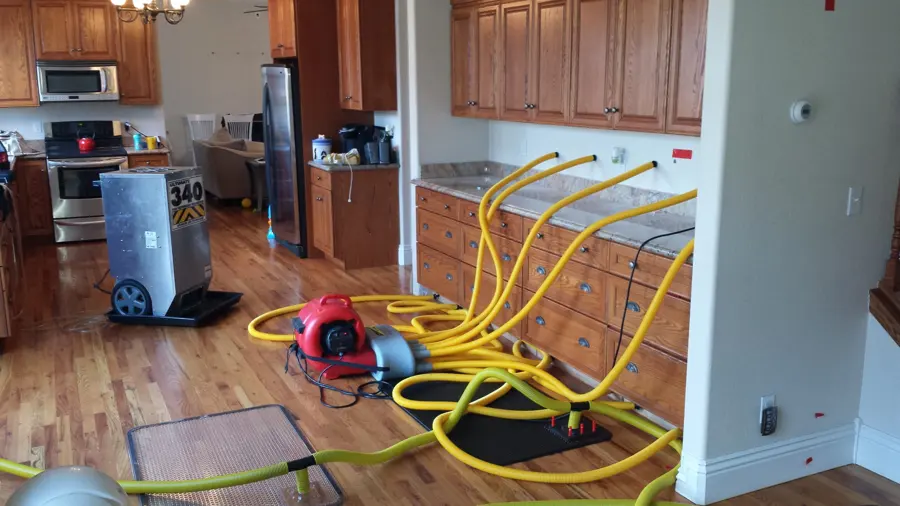
What to do while the water is still moving
- 1
Shut off the water. On many coastal homes the main shutoff sits on an outside wall near a front hose bib or in the garage.
- 2
Make it safe. Switch off power to wet rooms only from a dry breaker panel, and keep everyone out of water near outlets.
- 3
Take photos first. Photograph every wet room, the source and damaged belongings before anything is moved or thrown out.
- 4
Lift, then call. Get rugs, boxes and electronics off the floor and call; mold can start growing within 24 to 48 hours.
Water Damage Restoration Services in Encinitas, CA
Twelve water and sewage services under the Encinitas Water Damage Restoration name, each dried to a measured goal and documented for the claim.
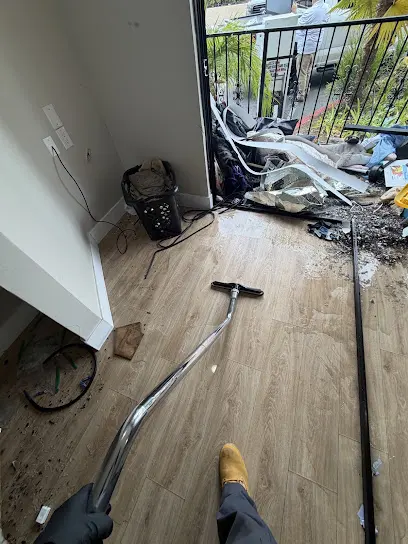 Category 1 to 3Emergency Water ExtractionTruck-mounted and portable extraction pulls standing water before it soaks into pad, drywall and framing.Explore service
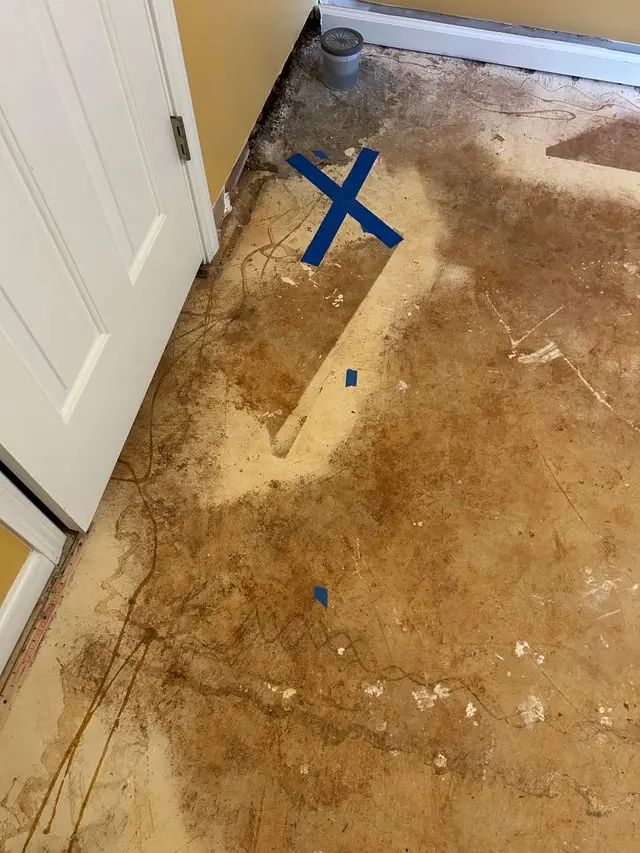 Category 1Slab Leak Water DamagePressurized leaks under slab floors traced, flooring lifted and the slab and walls dried to a verified reading.Explore service
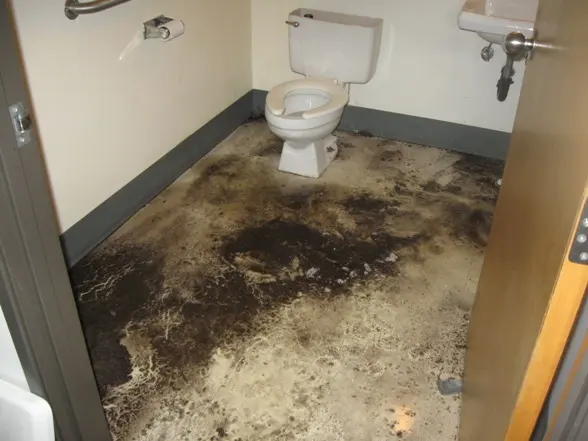 Category 3Sewage Backup CleanupToilet, tub and cleanout backups treated as Category 3: contained, soaked materials removed, surfaces disinfected.Explore service
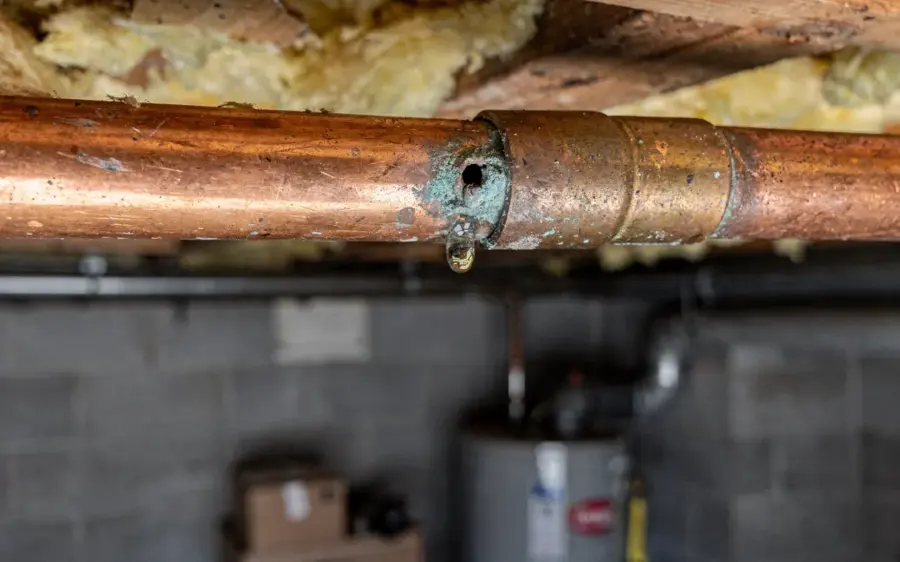 Category 1Burst Pipe CleanupSplit fittings, failed angle stops and old galvanized pipe, extracted and dried inside the wall cavity.Explore service
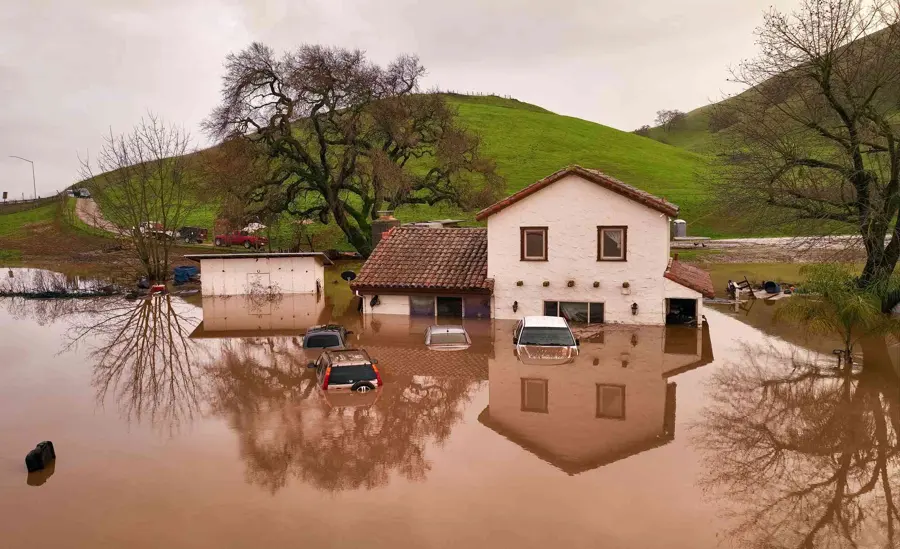 Category 3Storm and Flood CleanupWinter storm runoff and street flooding pulled out, handled as contaminated water and dried.Explore service
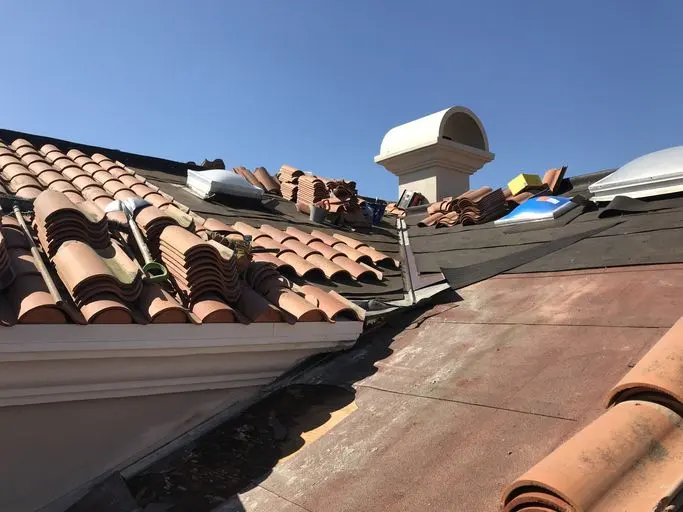 Category 1 to 2Roof Leak Water DamageWorn tile underlayment and clogged flat-roof drains: wet attic insulation removed and ceilings dried.Explore service
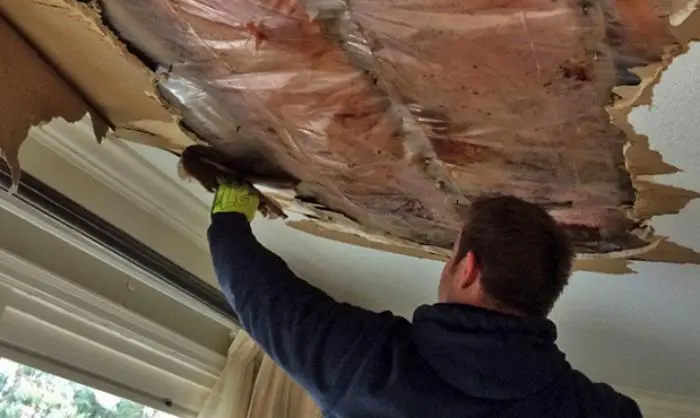 Category 1 to 2Ceiling Leak Water DamageUpstairs bath, laundry and condo-above leaks traced, sagging drywall opened safely, joist bays dried.Explore service
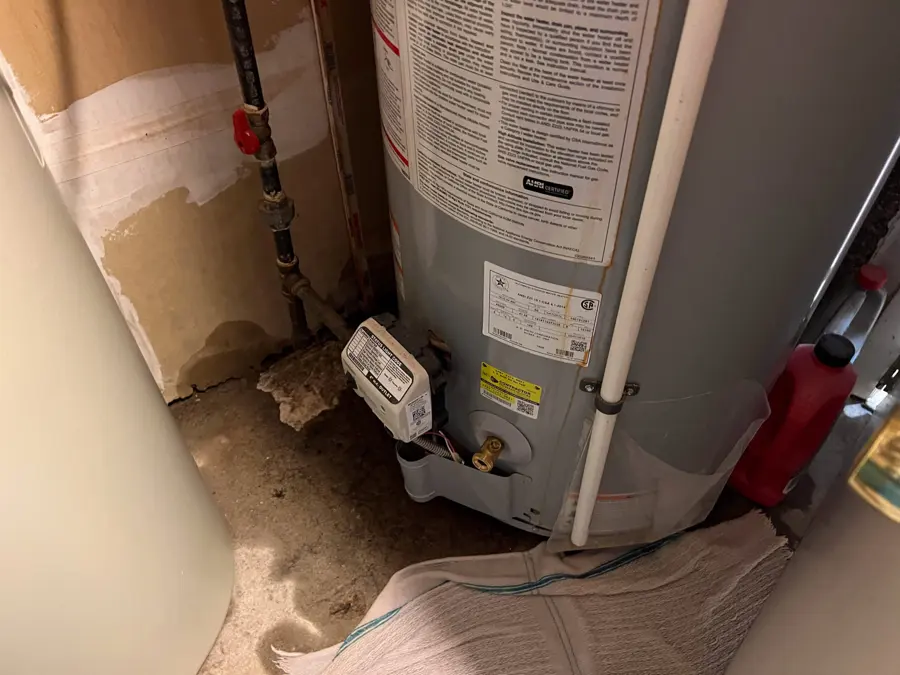 Category 1Water Heater Leak CleanupGarage and closet tank failures extracted before drywall, cabinets and stored boxes soak through.Explore service
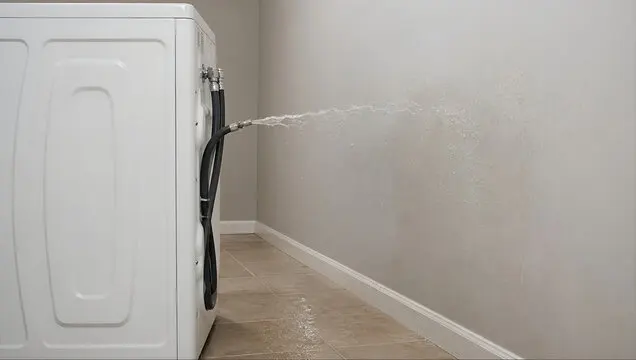 Category 1 to 2Appliance Leak CleanupWasher hoses, dishwashers, ice makers and toilet supplies: water pulled from under floors and cabinets.Explore service
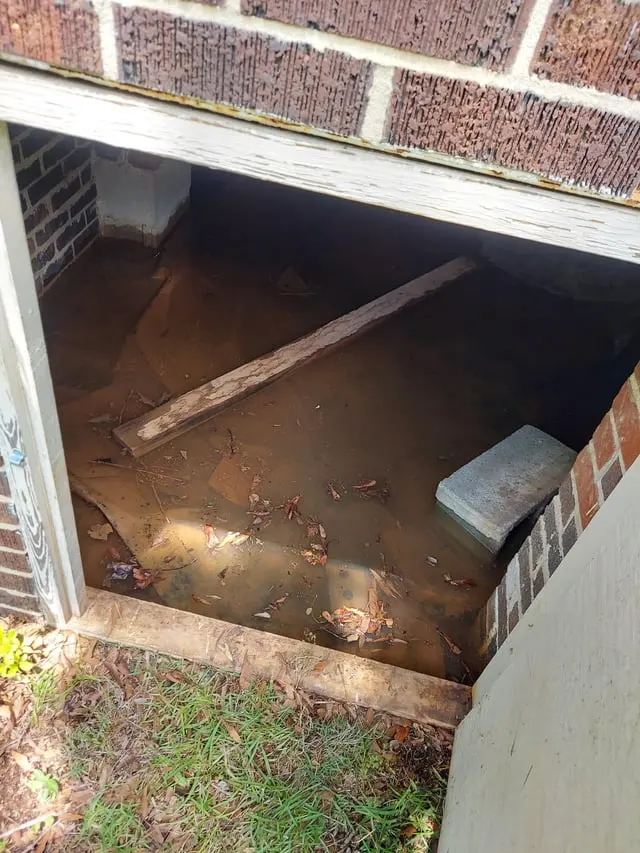 Category 1 to 3Crawl Space Water RemovalWater under raised-floor cottages pumped out, wet insulation and vapor barrier removed, joists dried.Explore service
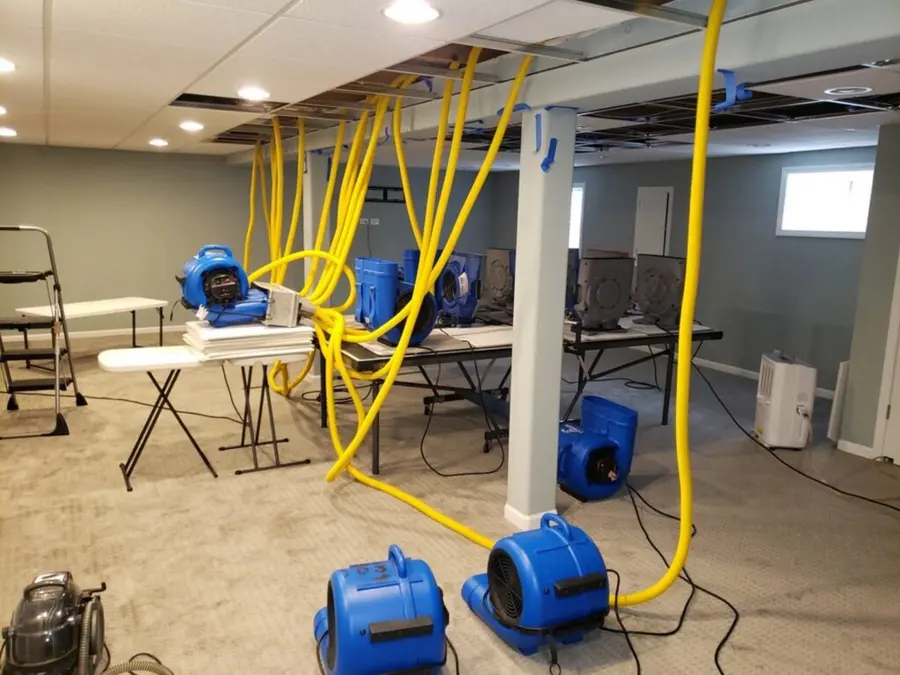 All classesStructural DryingFraming, subfloor, plaster and slab dried to within 2 to 4 points of a dry reference.Explore service
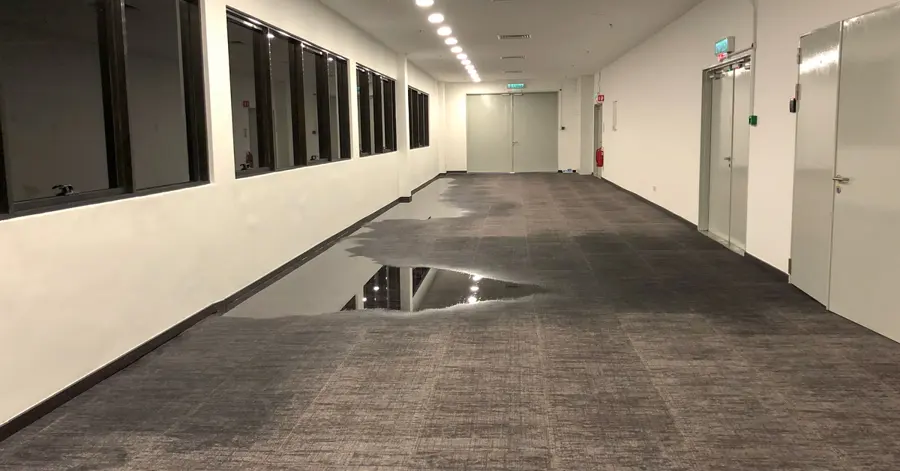 Category 1 to 3Commercial Water DamageShops, restaurants, offices and condo associations dried in phases so doors can stay open.Explore service
Fast response, a measured standard and a clean claim file
Every water loss runs on the same four commitments, whatever the source of the water.
Rapid local response
24/7 dispatchThe response team moves on the first call, nights and weekends included, because water keeps spreading into subfloor and drywall while it sits.
IICRC S500 drying standard
Measured, not guessedThe drying team works to the IICRC S500, the industry drying standard, and ends the job on moisture readings instead of the calendar.
Claim-ready documentation
Logs and photosThe mitigation team keeps a moisture map, daily psychrometric logs and timestamped photos taken before any demolition, ready for your adjuster.
Local water know-how
Coastal North CountyLocal water damage experts know the slab tracts east of I-5, the raised-floor cottages near the beach and how the marine layer slows drying.
Water damage dried to the IICRC S500 standard
Surface water is the easy part. A real dry-out follows the same five steps every time, so water hiding in walls, slab and subfloor comes out too.
- 01
Moisture mapping
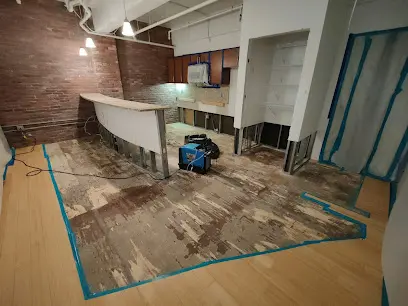
The tech who does the walkthrough maps every wet material with pinless meters and thermal imaging before a single fan goes down.
- 02
Truck-mounted extraction
The extraction crew pulls standing water with truck-mounted units, which removes far more water than fans ever could.
- 03
Air movers and LGR dehumidifiers
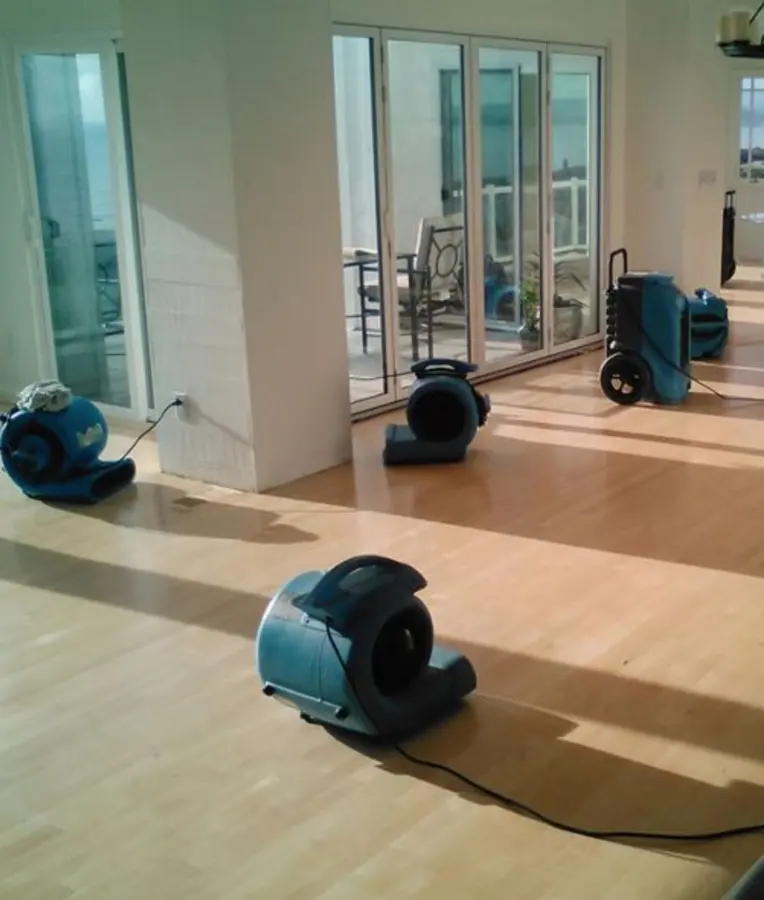
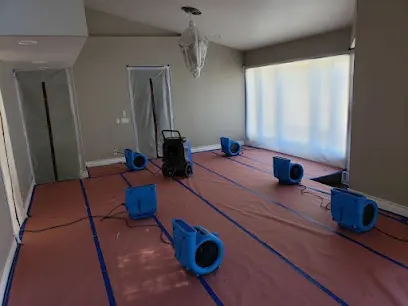
The drying team sets air movers to each room's evaporation load and runs LGR dehumidifiers to pull that moisture out of the air; desiccants handle dense Class 4 materials.
- 04
Daily readings
Most crews log moisture and psychrometric readings every day and move equipment when the numbers change.
- 05
Dry verification
Equipment comes out when wet materials read within 2 to 4 points of a dry reference material, not when the surface looks dry.
The standard on every job
- IICRC S500 drying standard
- Truck-mounted extraction
- Daily moisture readings
- Structural drying, not just surface
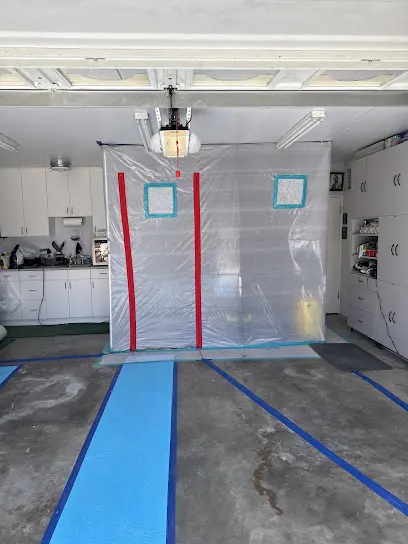
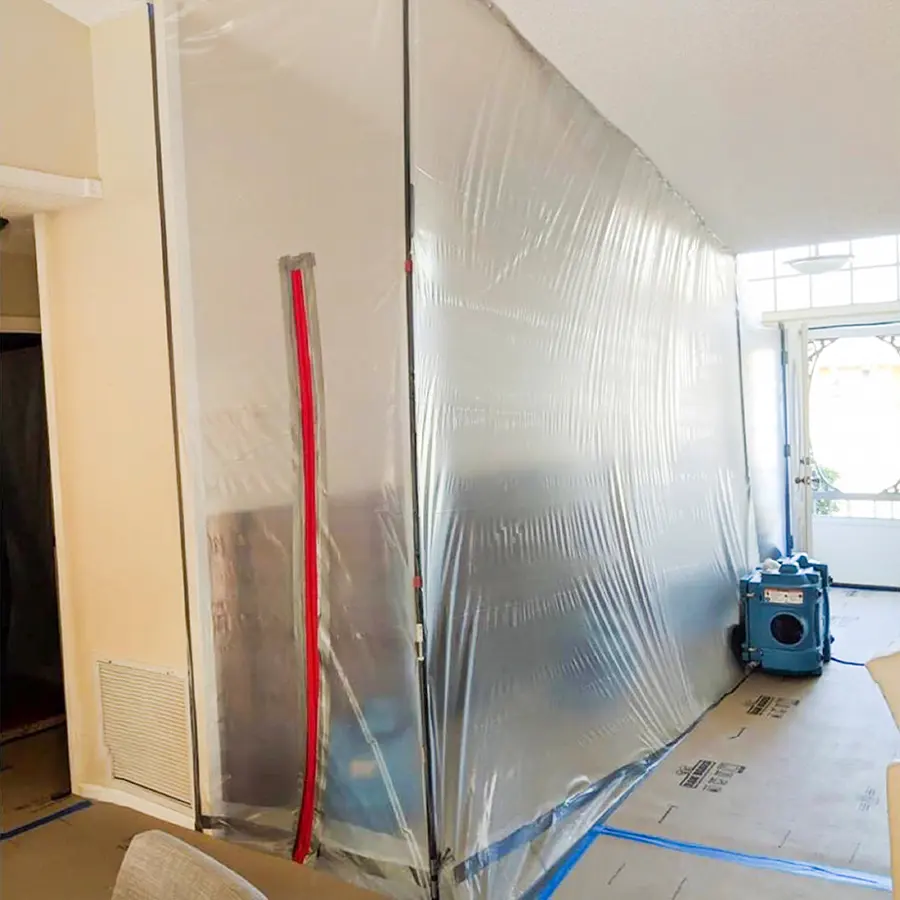
- Containment and HEPA air scrubbers on contaminated losses
Documentation for your insurance claim
A water claim is decided on the file. A complete file holds the moisture map from day one, daily psychrometric logs, timestamped photos taken before any demolition, the category and class of the loss and an itemized scope of work.
Sudden and accidental water, like a burst supply pipe, is treated differently from rising storm water, which falls under flood coverage. Coverage depends on your policy, so check with your own insurer.
What does water damage restoration cost in Encinitas, CA?
Water damage restoration here typically runs $1,500 to $12,000, depending on the water category, the square footage, the material class and how fast drying started; sewage and major losses run higher.
- Category 1 clean water
- Extraction plus three to five drying days
- Little or no material removal
- Pad and lower drywall removed
- Flooring lifted over the leak
- Air movers, LGR units and daily readings
- Category 3 containment and removal
- HEPA air scrubbers and antimicrobial
- Large areas or more than one level
Want a closer number? Try the water damage cost calculator or the drying time estimator. Both give typical ranges, not quotes.
Encinitas water damage restoration experts
Water behaves its own way in Encinitas. Most of the year is dry, then short winter storms test every roof, gutter and door seal at once, and slab homes east of I-5 can leak under the floor in any month. The local restoration crew plans for both patterns.
The crew extracts standing water with truck-mounted equipment, dries the structure to the IICRC S500 goal and hands over a drying file an adjuster can read, from Leucadia and Cardiff-by-the-Sea to Olivenhain.
How each job is run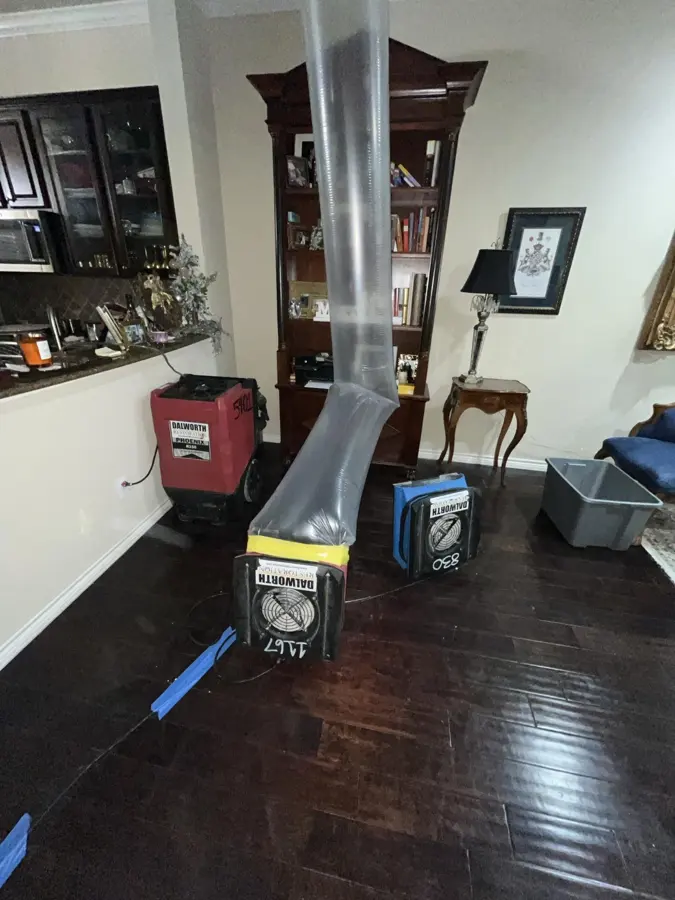
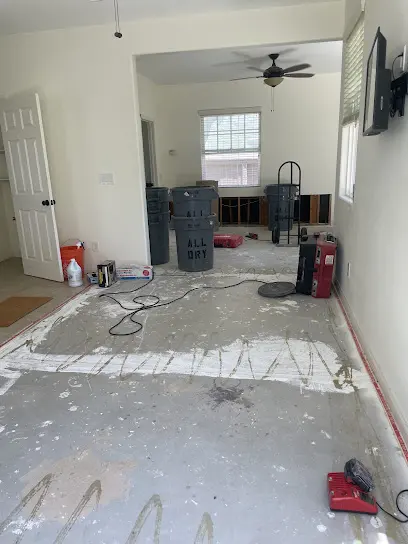
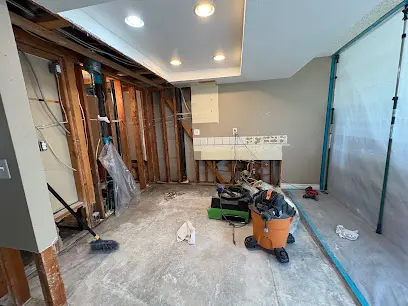
What a water damage dry-out looks like
All water damage categories covered
Clean, gray or black: the category decides what can be dried in place and what has to come out.
Clean water
From a supply pipe, a slab leak or a water heater. Extracted and dried in place before it sits long enough to turn gray.
Slab leak water damageGray water
From a washer drain, a dishwasher or rain that has soaked through attic insulation. Soaked pad and trim usually come out.
Appliance leak cleanupBlack water
Sewage backups and outside storm water. Contained, porous materials removed and surfaces treated with an EPA-registered antimicrobial.
Sewage backup cleanupWater damage restoration across Encinitas, CA
From the beach cottages of Leucadia to the hillside lots of Olivenhain, the restoration team covers every ZIP in town, day or night.
Encinitas ZIP codes
Coastal Encinitas, west of I-5
Old EncinitasDowntown EncinitasMoonlight BeachLeucadiaCardiff-by-the-Sea
Inland Encinitas, east of I-5
New EncinitasVillage ParkEncinitas RanchOlivenhain
Nearby North County
Solana BeachCarlsbadLa CostaRancho Santa FeDel MarSan MarcosVistaOceanside
One call reaches local water damage pros, 24/7
Call the restoration team from anywhere in ZIP 92024, 92007 or 92023. Say where the water started, a pipe, the roof, an appliance or a drain, and which rooms are wet, because that decides what equipment comes first.
Why local homes take on water
The city sits between the Pacific bluffs and the San Elijo and Batiquitos lagoons, and its homes range from early beach cottages to slab tracts from the 1970s and 1980s.
- Tract homes and condos east of I-5 sit on slabs with copper supply pipe that can wear into pinhole leaks under the floor.
- Older cottages in Leucadia and Cardiff-by-the-Sea often have raised wood floors, galvanized supply pipe and clay or cast iron sewer laterals that roots break into.
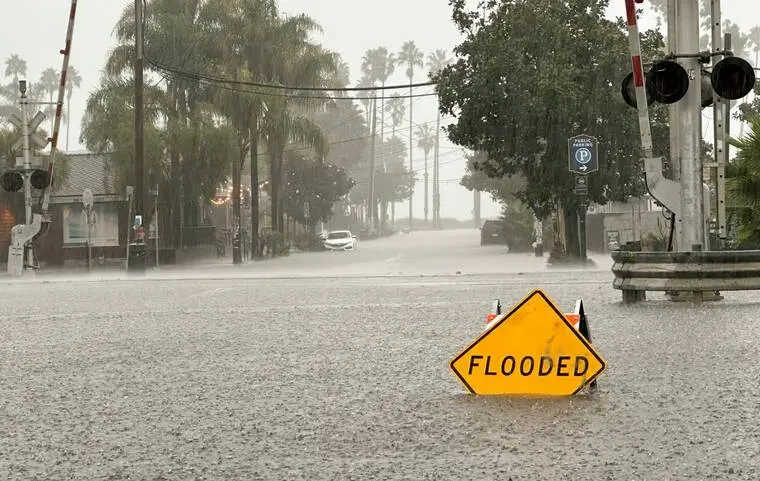
- Most rain falls between November and March in short, heavy storms, so the first big storm after a dry summer finds every worn tile underlayment and clogged gutter.
- Coast Highway 101 through Leucadia ponds and floods in heavy rain, and storms raise Escondido Creek through Olivenhain and Cottonwood Creek through downtown.
- The coastal marine layer keeps indoor humidity high in late spring and early summer, which slows drying unless dehumidifiers run the whole time.
Local water damage questions, answered
Straight answers on water damage restoration in local homes, from the first call to the insurance file.
(888) 450-9281Leak still running? Call nowHow fast can someone respond here?
Local water damage pros run round-the-clock dispatch, and the response starts on the first call, weekends included. Timing depends on traffic, weather and how many homes a storm hits, so shut off the water and start the first steps meanwhile.
Is water damage covered by insurance in California?
Most homeowner policies cover sudden and accidental water, like a burst supply pipe, after the deductible. Water that floods in from outside usually needs a separate flood policy, and slow leaks are often excluded. Coverage depends on your policy, so check with your own insurer.
What causes most water damage here?
Slab leaks in the 1970s and 1980s homes east of I-5, roof leaks in the first big winter storm, sewer lateral backups in older neighborhoods, and failed water heaters and washer hoses all year.
How long does drying a wet house take?
A contained Class 1 loss usually dries in three to five days. Hardwood, plaster and concrete slab take longer, and damp marine-layer air can add a day or two. The drying team pulls equipment when readings match a dry reference material.
What is the IICRC S500?
It is the IICRC standard the restoration trade uses for water damage work. It defines the three water categories and four classes of loss, sizes the drying equipment to them and sets how a dry result is proven with meter readings.
Does wet drywall always have to come out?
Not always. Drywall soaked by clean water and reached quickly can often dry in place with air moved through small holes. Drywall hit by Category 3 water, or soft and crumbling, comes out with a flood cut a little above the wet area.
Why is a sewage backup handled differently?
Sewage carries bacteria, so it counts as Category 3 from the start. The mitigation team seals the area, wears protective gear, cuts out porous materials the water touched and applies an EPA-registered antimicrobial before any drying.
How is the cost of water damage restoration worked out?
Four things set the price: the water category, the square footage, the material class and how quickly drying started. The water damage cost calculator turns those into a typical range.
Is mitigation the same as repair?
No. Mitigation is the emergency work that stops the damage: extraction, drying and cleaning. Repairs such as new drywall, flooring and paint come after the structure reads dry, often under a separate scope.
How can a slab leak be spotted early?
Warm spots on the floor, the sound of running water with every fixture off, a water meter that keeps turning, and damp carpet or buckling flooring with no visible source all point to a leak under the slab. See slab leak water damage for what happens next.
Water damage in your home? Get the dry-out started.
Water that sits keeps moving into slab, subfloor, drywall and cabinets. The restoration team works day or night.