Water Damage Restoration San Marcos, CA
A San Marcos water loss gets extraction first, then measured drying and a photo record the insurer can read. The restoration team works from moisture readings, not guesses, from the first walkthrough to the final reading.
(888) 450-9281Talk to the drying team now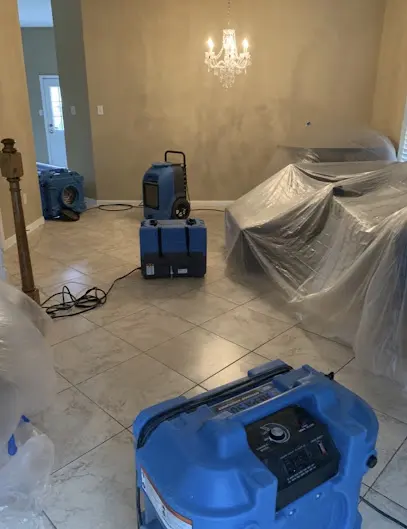
What to do in the first stretch after water appears
- 1
Stop the source. Close the shutoff valve at the fixture or the main, and switch off breakers for wet rooms before anyone steps in.
- 2
Photograph first. Shoot wide and close shots of every wet surface, damaged belongings and the water source before anything is moved or thrown out.
- 3
Lift what you can. Move small furniture, rugs and electronics onto dry ground and keep paper and fabric off wet floors. Heavy pieces wait for the crew.
- 4
Call, then notify. Call the restoration team to start extraction, then tell the insurance carrier. Mold can begin in 24 to 48 hours on wet materials.
Water damage services for homes and businesses
From a single soaked pad to a storm-flooded floor, the restoration team matches the method to the water category and the materials involved.
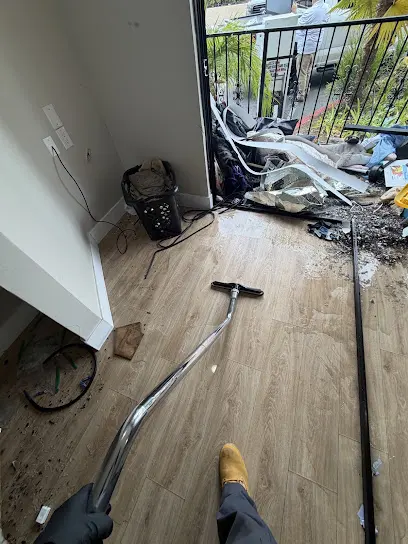 Category 1 to 3Emergency Water ExtractionTruck-mounted and weighted extraction pulls standing water and soaked pad out before it reaches drywall and framing.Explore service
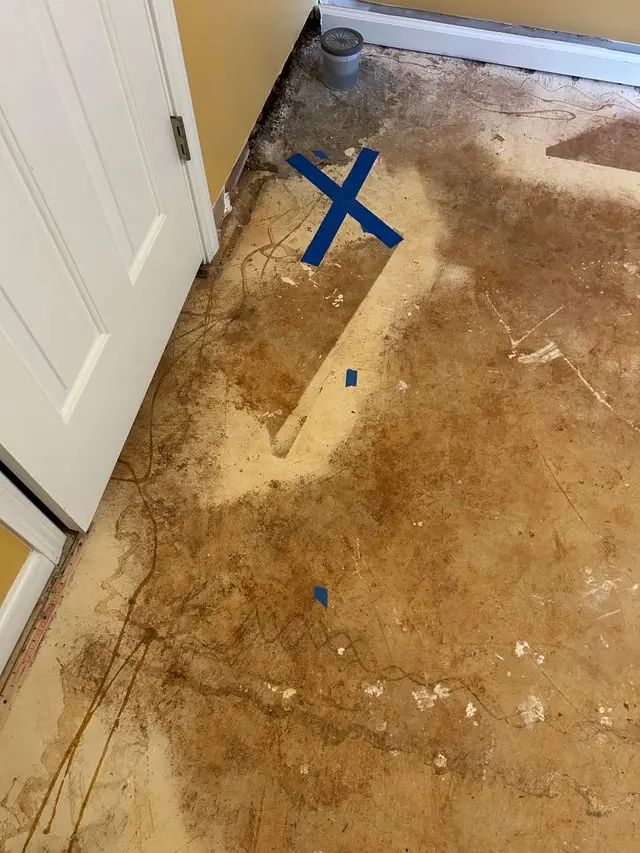 Category 1Slab Leak Water DamageFinds and dries water trapped under concrete floors, with slab and wall-bottom readings taken daily.Explore service
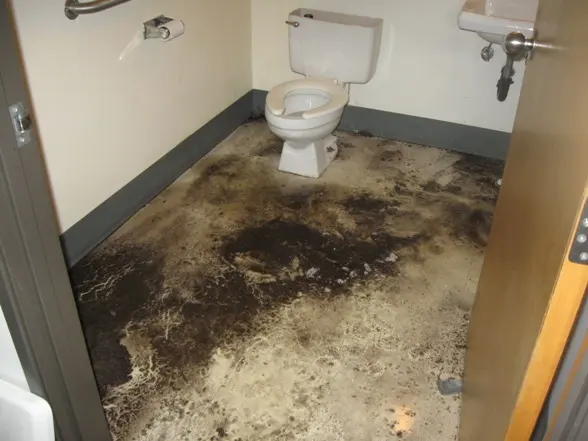 Category 3Sewage Backup CleanupCategory 3 backups get containment, protective gear, removal of porous materials and full sanitizing before drying.Explore service
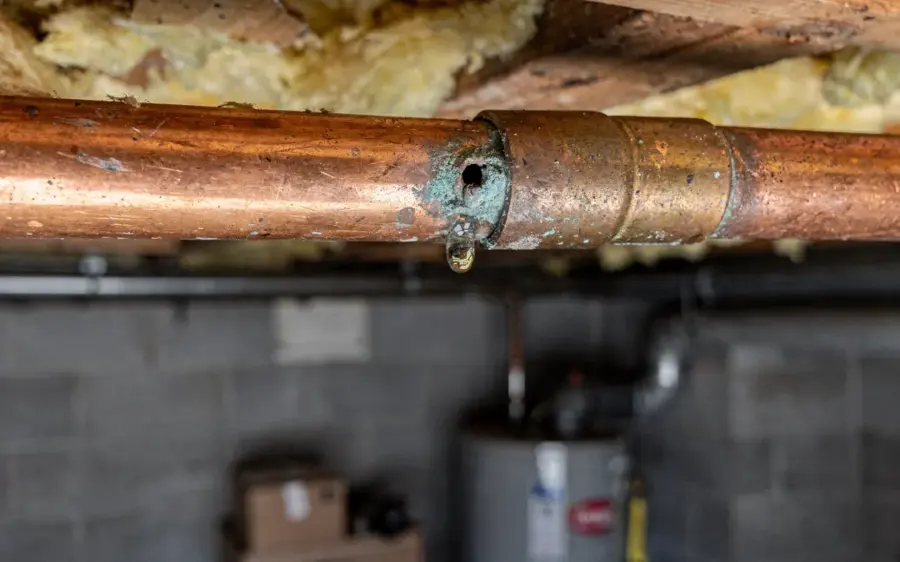 Category 1Burst Pipe CleanupA split supply pipe floods fast; extraction, access holes and cavity drying follow the shutoff.Explore service
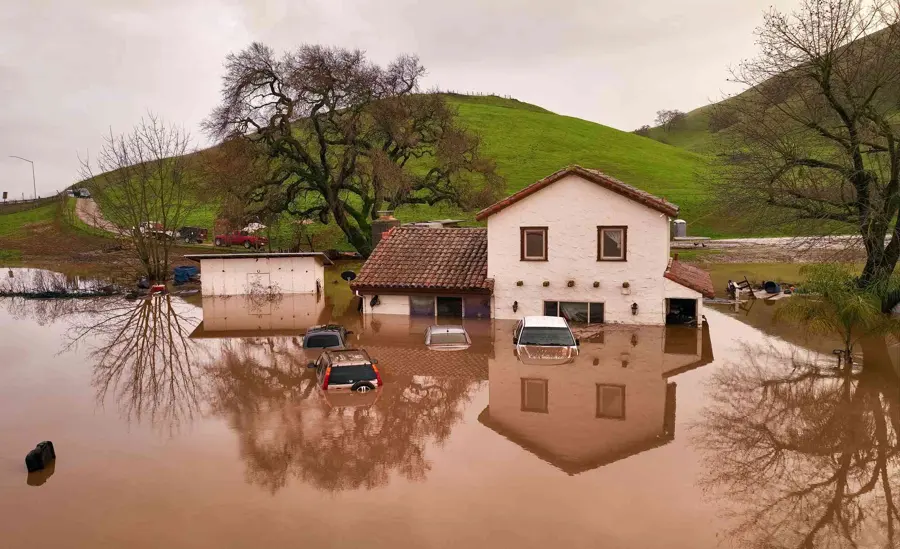 Category 3Storm and Flood CleanupStorm water at the door means flooring and lower drywall come out, then antimicrobial treatment and long drying.Explore service
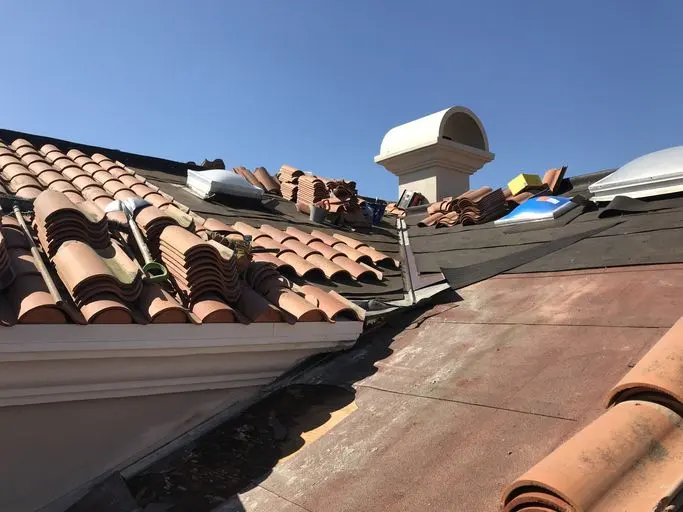 Category 1 to 2Roof Leak Water DamageWinter rain finds weak flashing and worn shingles; the team opens wet ceilings and dries the attic.Explore service
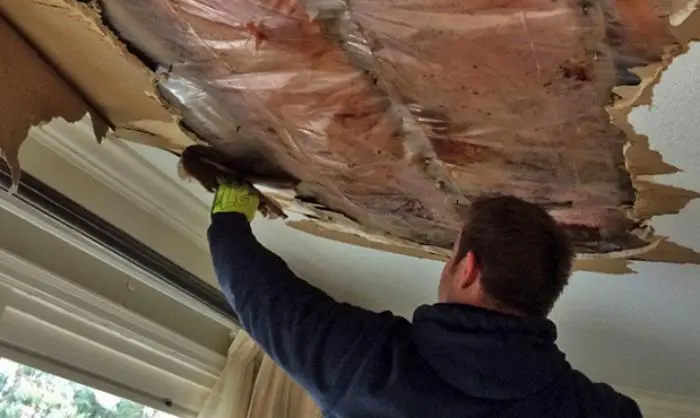 Category 1 to 2Ceiling Leak Water DamageStains, sagging drywall and drips get traced to the roof or the plumbing above, then dried properly.Explore service
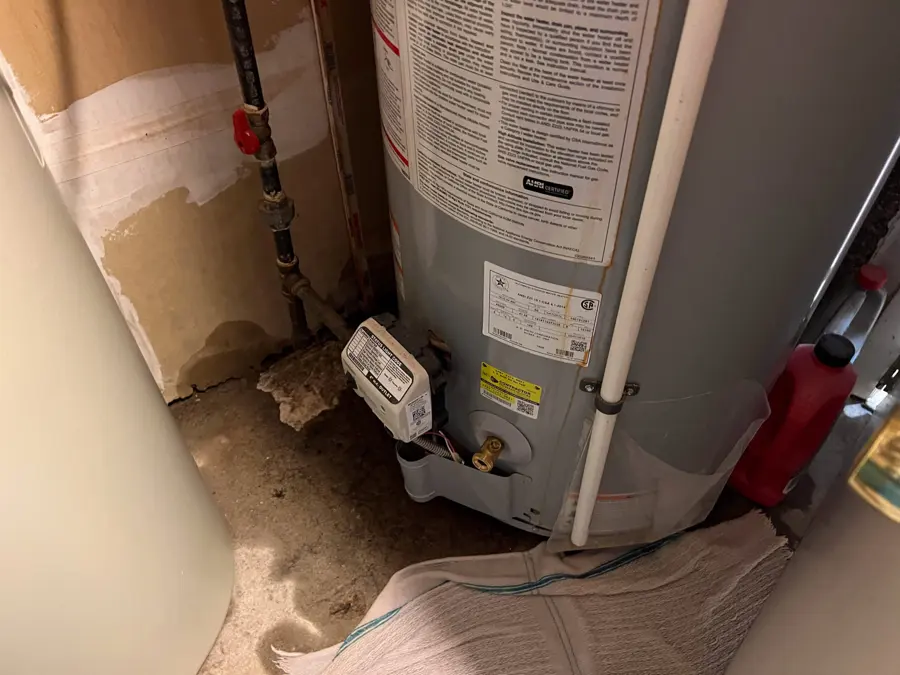 Category 1Water Heater Leak CleanupTank failures flood garages and closets; extraction and targeted drying protect flooring and wall bottoms.Explore service
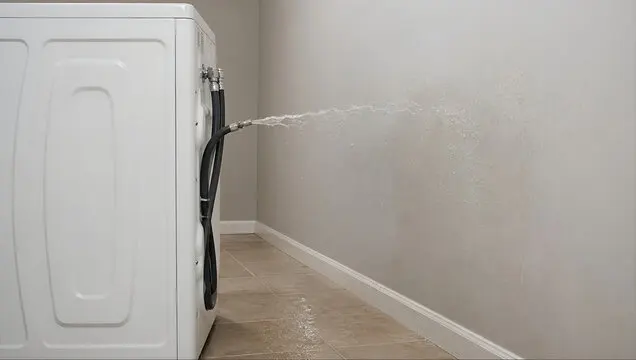 Category 1 to 2Appliance Leak CleanupDishwasher, washer and refrigerator leaks hide under cabinets and flooring until injection drying reaches them.Explore service
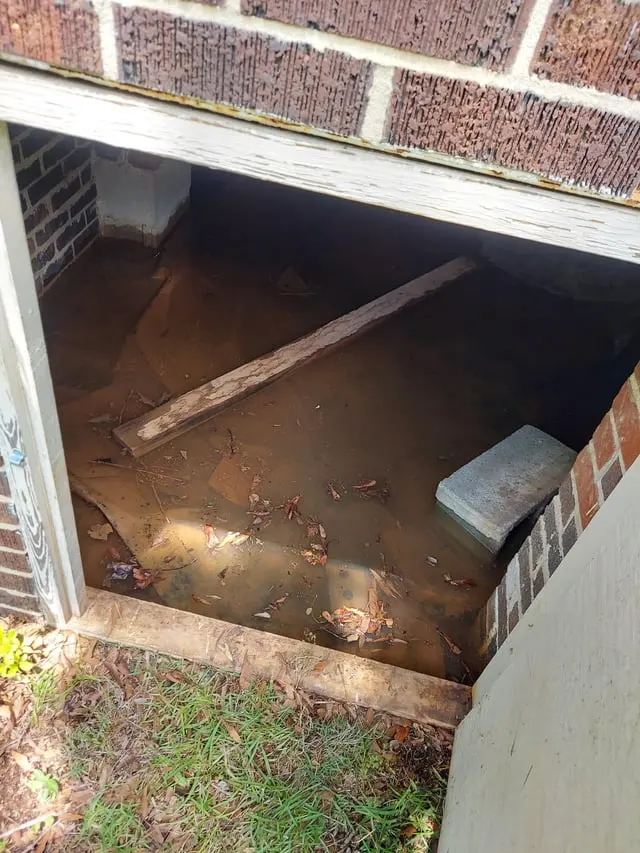 Category 1 to 3Crawl Space Water RemovalPump-out, wet insulation removal and underfloor dehumidifiers for water that gathers beneath the house.Explore service
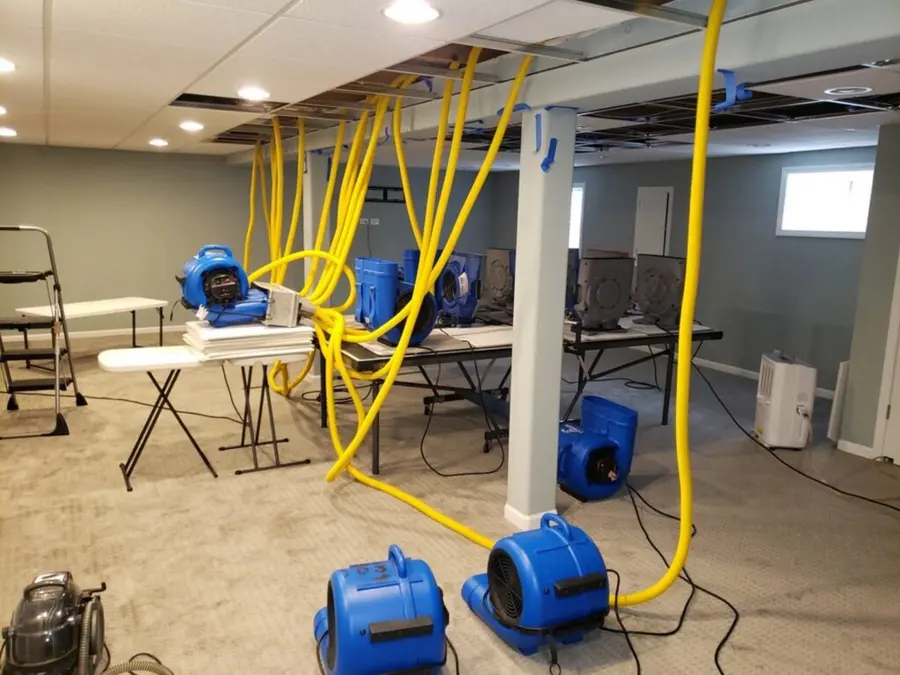 All classesStructural DryingAir movers, LGR dehumidifiers and daily meter readings bring wet framing and floors to dry standard.Explore service
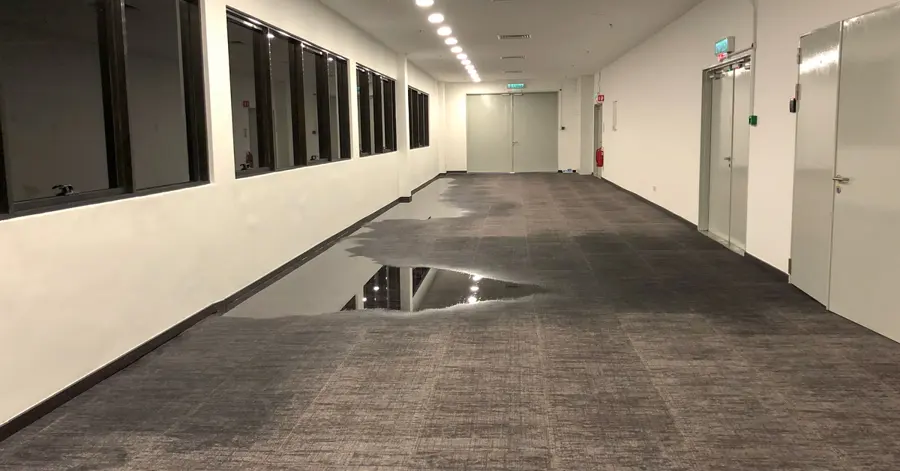 Category 1 to 3Commercial Water DamageShops, offices and restaurants get after-hours setup, phased drying and per-unit records for the carrier.Explore service
Four reasons local owners start with the drying team
Water spreads on its own schedule, so the response, the method and the paperwork all matter.
Rapid local response
Day or nightCrews are dispatched around the clock because extraction saves the most material in the earliest stretch of a leak, before pad and drywall wick.
IICRC S500 drying standard
Meters over hunchesMoisture meters, thermal imaging and a daily log decide when equipment stays and when it goes, following the S500 standard.
Claim-ready documentation
Dated recordsEvery visit adds timestamped photos, moisture readings and equipment counts, so the insurer sees the loss as it was found and dried.
Local water know-how
Rain, creek, districtThe crew knows the November to March rain, the creek watershed and Vallecitos Water District service, so it asks the right questions about where water came from.
A drying plan built on measurements, not hunches
Every job follows the same five steps, so the homeowner, the adjuster and the crew can all see what is done and what comes next.
- 01
Map the moisture
Meters, a thermal camera and probes trace where water traveled, because the wet area is almost always wider than the stain.
- 02
Extract the water
Truck-mounted units and weighted tools pull standing water from carpet, pad and hard floors, leaving far less moisture for the air to carry.
- 03
Remove what will not dry
Saturated pad, soaked insulation and swollen baseboards come out when they cannot reach dry standard, which keeps hidden moisture from lingering.
- 04
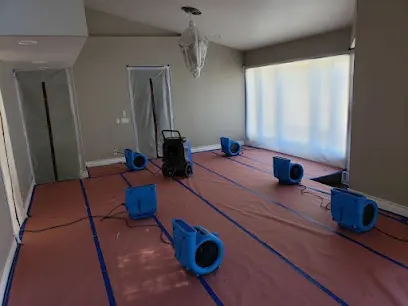
Dry with equipment
Air movers, LGR dehumidifiers and, where needed, injection or desiccant units run on a plan sized to the room volume and material.
- 05
Verify and document
Daily readings continue until wet materials sit within a few points of a dry reference, and the final log and photos go into the claim file.
Inside every drying job
- Daily moisture readings
- Truck-mounted extraction
- Thermal imaging scans
- Dehumidifiers matched to the room
- Photo log for the claim
Records that support your insurance claim
The claim file holds dated photos of the damage, moisture maps, daily drying logs, equipment records and an itemized list of what was removed, so an adjuster can verify each item of the work.
Homeowner policies usually respond to sudden events like a burst pipe or failed appliance, while rising flood water often needs separate coverage. The insurer decides what is paid, so read your own policy and ask early.
What does water damage restoration cost here?
Most jobs land between $1,500 and $30,000 or more, depending on the water category, the area soaked and how long it sat. Clean water caught early sits at the low end.
- One room extracted and dried
- Small flooring or drywall cuts
- Three to five drying days
- Flood cuts and removed pad
- Dehumidifiers and air scrubbers
- Daily readings and a claim log
- Most of a level affected
- Protective gear and containment
- Extended drying and monitoring
Need a tighter figure? Use the drying time estimator or the water damage cost calculator. Each returns typical ranges only, never a quote.
Restoration built around San Marcos homes
San Marcos counted 94,833 residents in the 2020 Census, up from 83,781 in 2010, and the Census Bureau's 2020 to 2024 median value for owner-occupied homes is $868,000. Water damage in homes of that value deserves careful, documented repair.
The restoration team treats every call as a full job rather than a quick pump-out: find the source, dry to standard and leave records the carrier can use. That holds for a small appliance leak and a storm-soaked floor alike.
More about the restoration team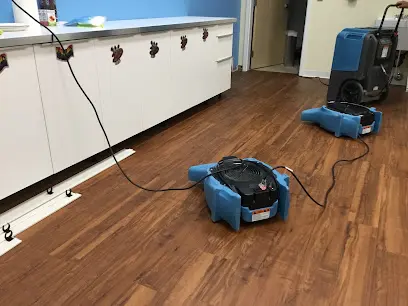
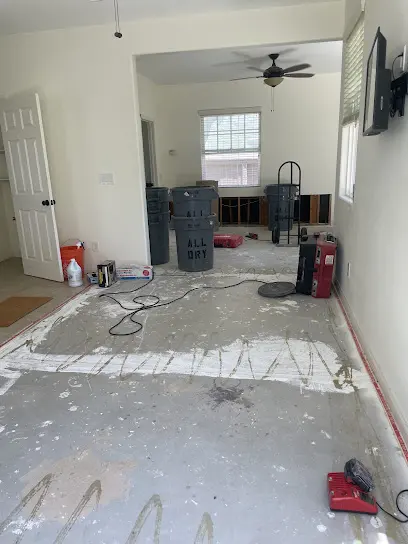
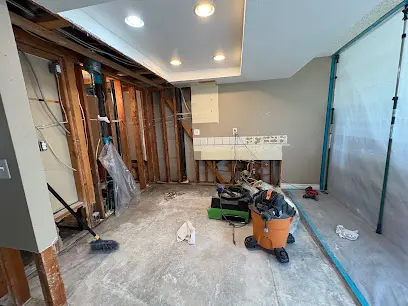
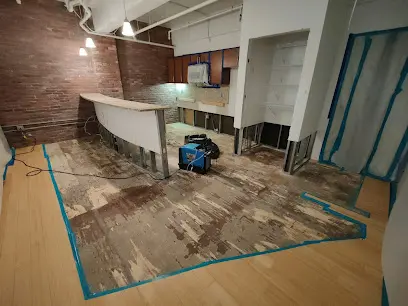
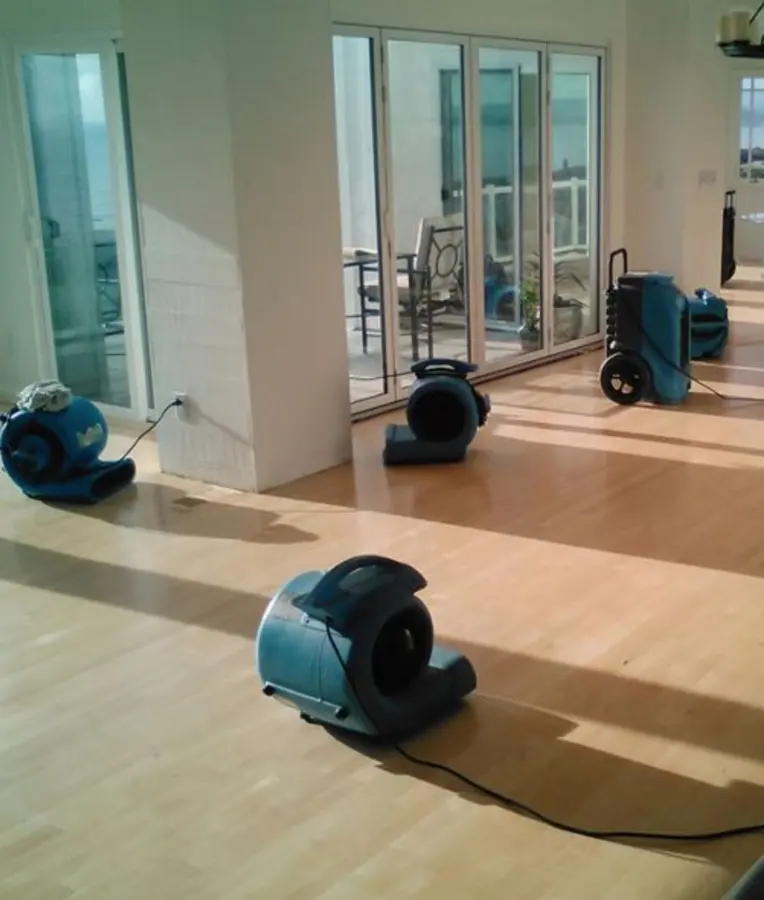
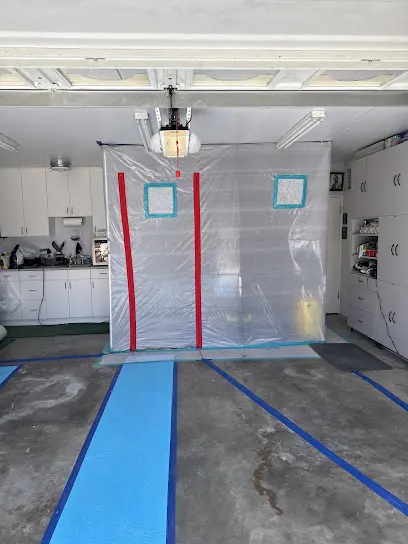
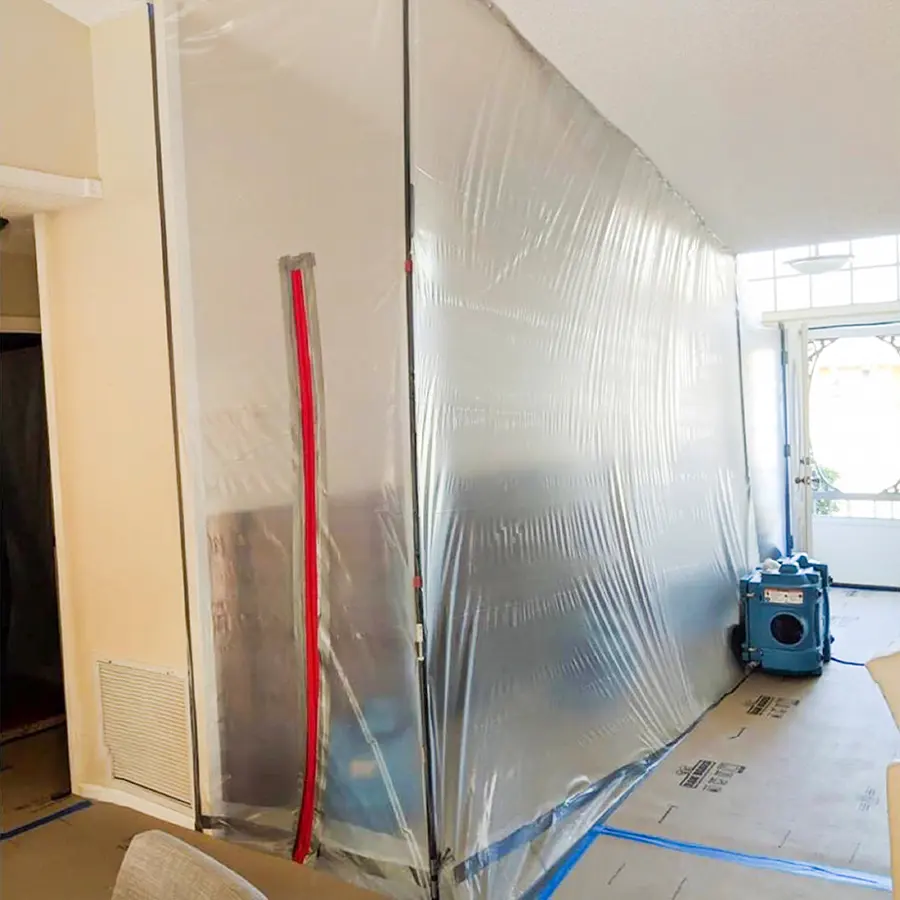
What drying and cleanup work looks like on site
Three water categories, three different cleanup plans
The category sets the protective gear, which materials are removed and how long drying runs, so the crew classifies the water first.
Clean water
Supply pipe and appliance leaks start clean, but time and contact with building materials can downgrade the water after a day or two.
How slab leaks get driedGray water
Dishwasher and washing machine overflows carry soap and food residue, so pad and other porous materials usually come out.
Appliance leak cleanupBlack water
Sewage and contaminated floodwater carry harmful bacteria, so porous materials that touched it are removed and the crew works in protective gear.
Sewage backup cleanupNeighborhoods and ZIP codes served
The restoration team works across the city, from the Creek District to San Elijo Hills, and into Twin Oaks Valley.
ZIP codes served
Neighborhoods and communities
San Elijo HillsLake San MarcosTwin Oaks ValleyDiscovery HillsSanta Fe HillsNorth CityUniversity DistrictCreek DistrictDiscovery VillageRichland
Nearby service areas
One call reaches the San Marcos water damage pros, 24/7
Water damage does not wait for business hours, and neither does the restoration team. A call at midnight starts the same extraction and moisture mapping as one at noon, with the claim record beginning at the first photo.
Water risks that shape San Marcos jobs
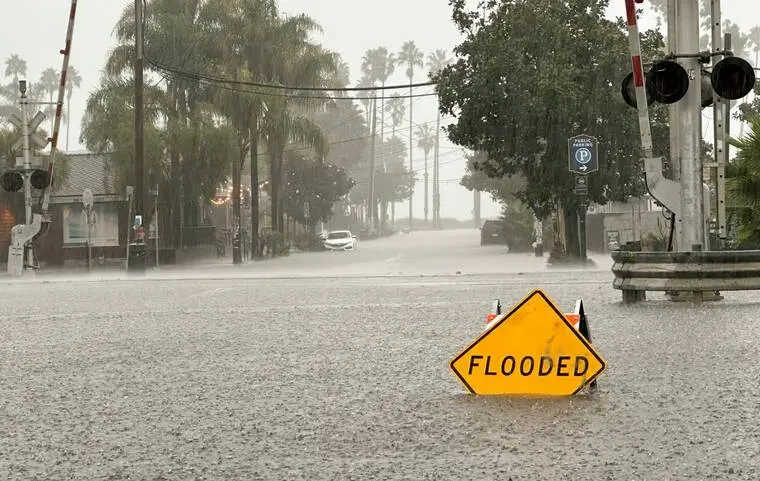
Rain falls mostly from November to March, about 13 inches a year, and the creek has flooded roads in past storms, which led to a $100 million project.
- In the school district area, which reaches past the city limits, 54.7 percent of homes date from 1970 to 1999 and 35.6 percent from 2000 on.
- Vallecitos Water District provides water and wastewater service and runs the Meadowlark Water Reclamation Facility; a backup inside a home is its own cleanup, separate from any district event.
- A news report listed 2.24 inches of rain for San Marcos on January 22, 2024, a storm that made that Monday the fourth wettest day in San Diego since 1850.
- The $100 million creek project, finished October 16, 2024, raised roads at Via Vera Cruz and Bent Avenue and added a levee, all built to reduce flooding.
- The city says adding or altering plumbing likely needs a building permit, and it issues about 258 new water heater permits a year, so replacements here go through the city.
Water damage questions from local owners
Short answers to the questions property owners ask first when water shows up inside the home.
(888) 450-9281Water still spreading? Call the crewHow fast does extraction need to start?
Water moves into pad, drywall and framing within hours, and mold can begin in 24 to 48 hours on wet materials, so extraction comes first and drying equipment handles only what is left in the materials.
Is the water clean, gray or black?
Clean water comes from supply pipes and rain, gray water from washers and dishwashers, and black water from sewage and storm runoff. The walkthrough sets the category, and the category sets the protective gear and which materials are removed.
Does insurance cover water damage?
Sudden and accidental losses, such as a failed supply pipe or water heater, are commonly covered, while rising flood water usually needs its own flood policy. Read your own policy or ask the insurer before work starts.
How long does drying take?
Most jobs need about three to five days of equipment time, checked daily. Hardwood, plaster, concrete slabs and Class 4 losses run longer, and readings, not the calendar, decide when the equipment comes out.
Why does the rainy season matter here?
Rain falls mostly from November to March, and residents south of the creek were once blocked from leaving whenever it flooded. The creek project was built to reduce that flooding, yet storm water at a door still calls for fast extraction.
Is a sewage backup handled differently?
Yes. Sewage is Category 3 water, so the crew works inside containment in protective gear, removes porous materials and sanitizes before any drying. Vallecitos Water District runs wastewater service here, but a backup on a floor inside a home is its own cleanup.
Does a new water heater need a permit?
The city says adding or altering plumbing in a home likely needs a building permit, and its Building Division handles permits and inspections. After a tank leak, the team dries the area and a plumber handles the replacement.
Can wet carpet be saved?
Often, if the water was clean and extraction started early. The pad usually goes, since it holds moisture longest, while the carpet itself is dried in place. Contaminated water ends that option for both.
What should be photographed?
Every wet surface, the source of the water, damaged belongings and the equipment once it runs. Wide shots and close shots with dates give the adjuster a clear picture, and the team adds readings and daily logs.
Is commercial work different?
The science is the same but the logistics change. Shops, offices and restaurants often need after-hours setup, containment between areas and phased drying, with records kept for each unit so the business keeps running.
Standing water and wet walls do not improve with waiting.
Call the restoration team now to begin extraction and moisture mapping, and keep photographing until the crew arrives.