Water Damage Restoration Vista, CA
When a pipe, heater or storm leaves a Vista home soaked, the extraction crew removes standing water, maps hidden moisture and sets up drying equipment while the damage is still small.
(888) 450-9281Call about wet floors or walls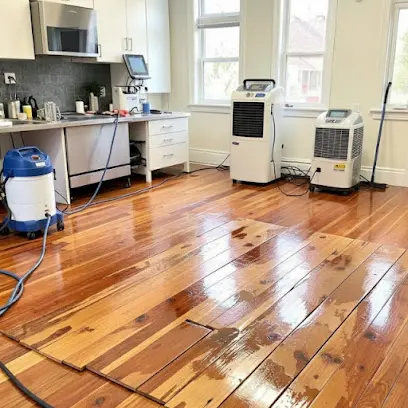
What to do the moment water shows up
- 1
Stop the source. Close the fixture valve or the main shutoff, and stay out of any room where water touches outlets or cords.
- 2
Lift what you can. Move rugs, shoes, electronics and small furniture to dry ground, and leave heavy pieces for the crew to lift off wet carpet.
- 3
Photograph before cleanup. Take wide and close photos of the wet floors, walls and belongings before cleanup starts or anything is thrown out.
- 4
Call and describe it. Tell the crew what leaked, for how long, and which rooms are wet, so the right pumps and dryers are loaded.
Every kind of water and sewage loss
From a slow appliance drip to a sewage backup, each card below opens the full service with its steps, price ranges and questions.
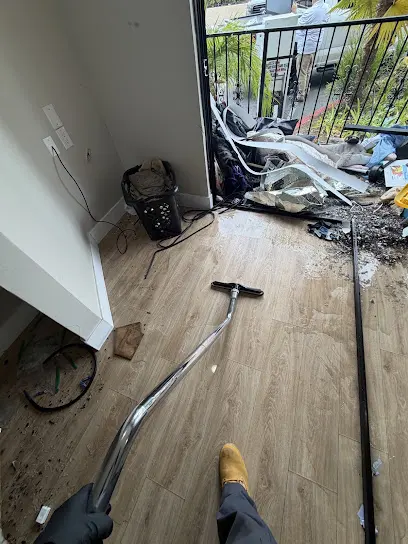 Category 1 to 3Emergency Water ExtractionPumps and weighted extractors pull standing water from carpet, pad and hard floors before it spreads into walls.Explore service
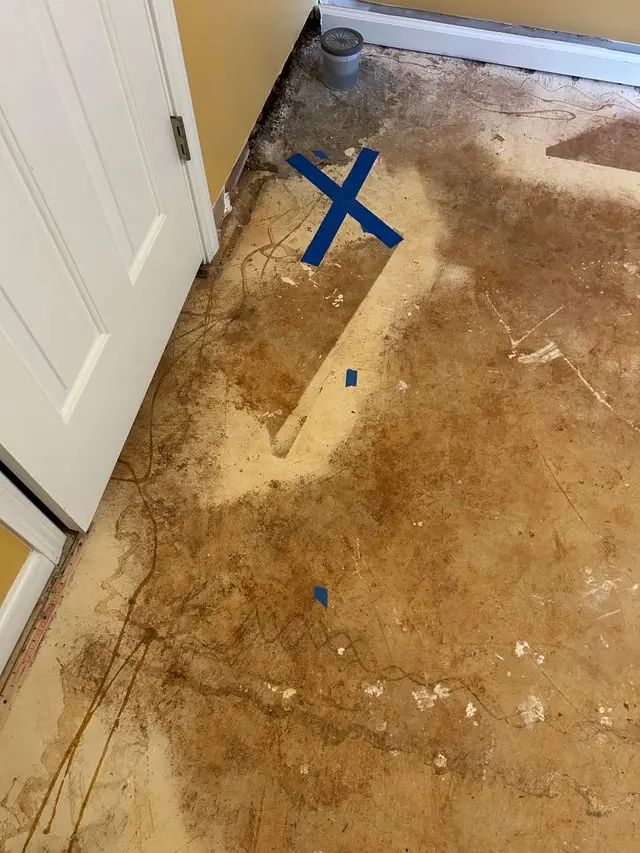 Category 1Slab Leak Water DamageMoisture tracing for supply pipe leaks under or in a concrete floor, then controlled slab drying.Explore service
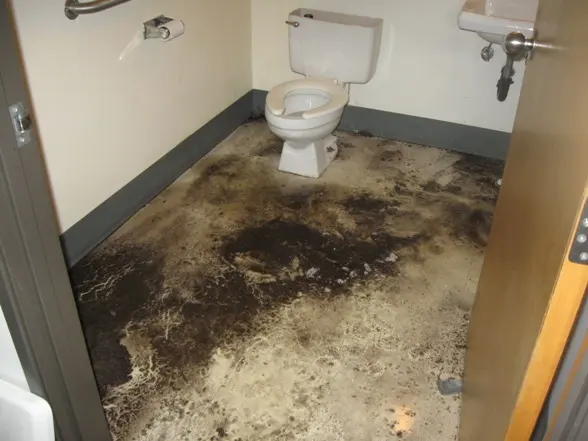 Category 3Sewage Backup CleanupProtective gear, containment and removal of porous materials after a drain or sewer backup, finished with antimicrobial cleaning.Explore service
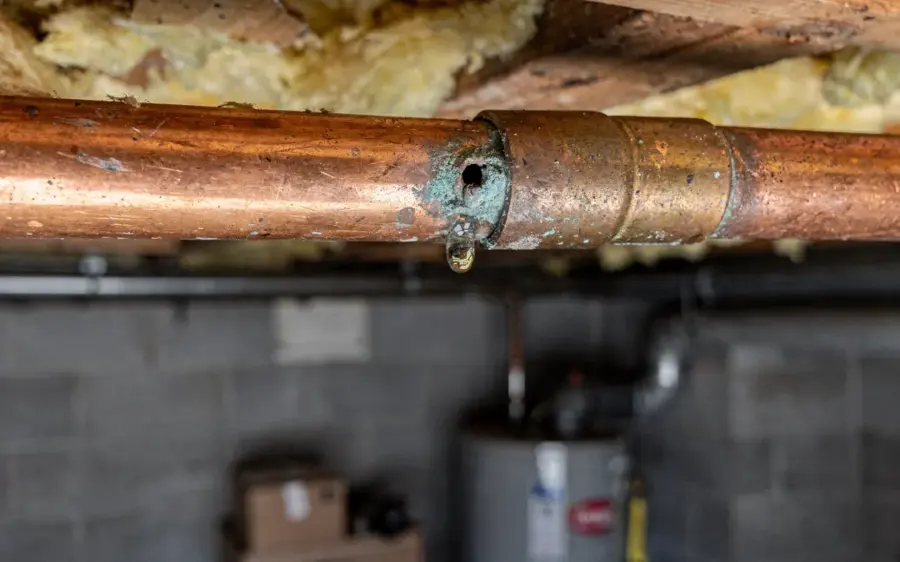 Category 1Burst Pipe CleanupFast extraction and cavity drying after a supply pipe splits inside a wall, floor or ceiling.Explore service
 Category 3Storm and Flood CleanupPump-out, debris removal and drying after heavy rain or runoff pushes water through a door.Explore service
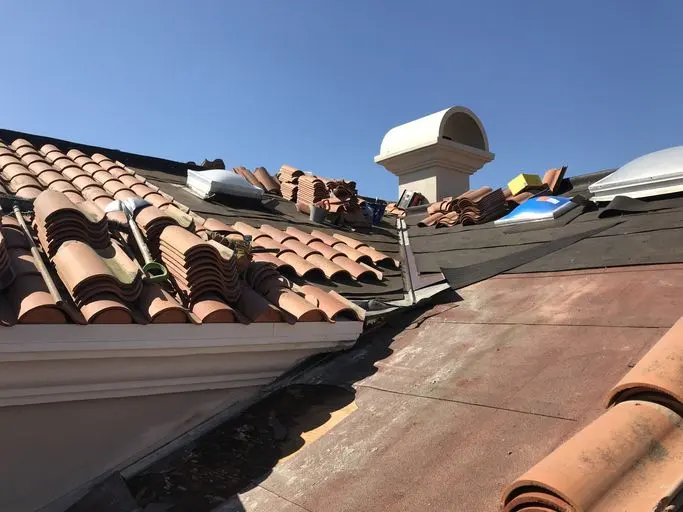 Category 1 to 2Roof Leak Water DamageAttic and ceiling drying after wind, hail or a long storm lets rain past shingles and flashing.Explore service
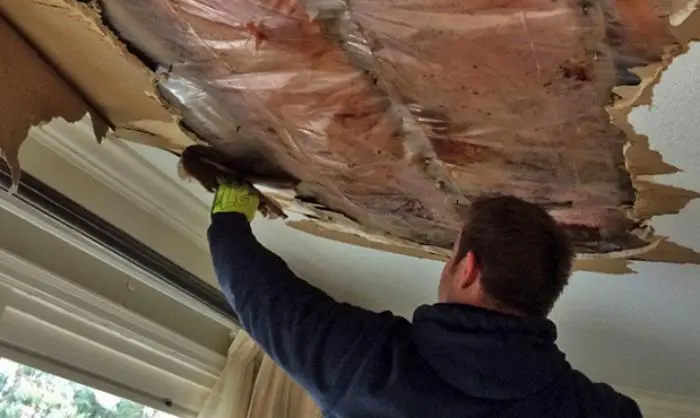 Category 1 to 2Ceiling Leak Water DamageOpening, draining and drying a stained or sagging ceiling, including the insulation and joist bays above it.Explore service
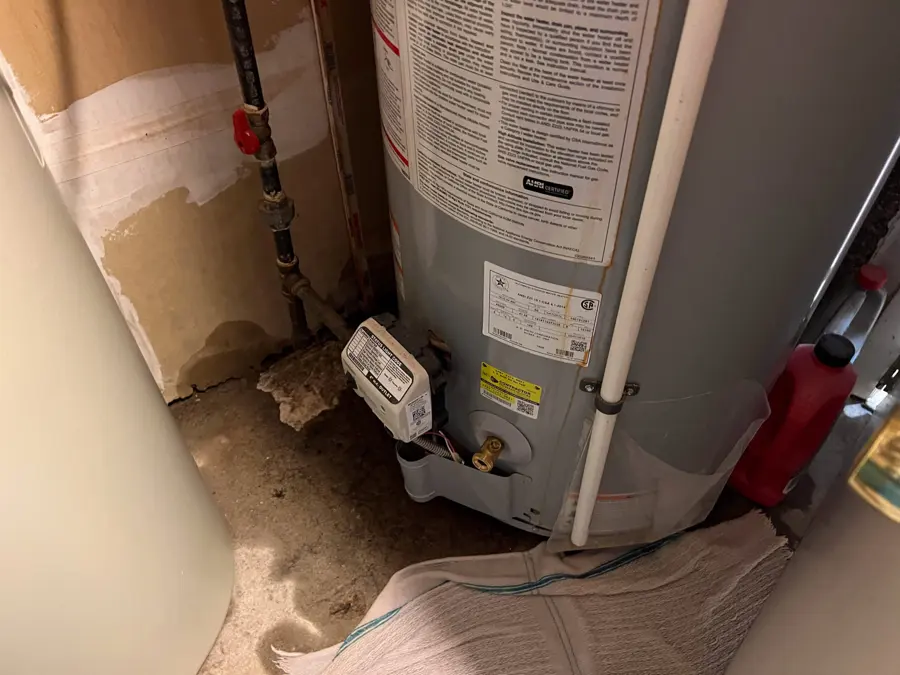 Category 1Water Heater Leak CleanupExtraction and drying around a leaking tank, whether it sits in a garage corner or an indoor closet.Explore service
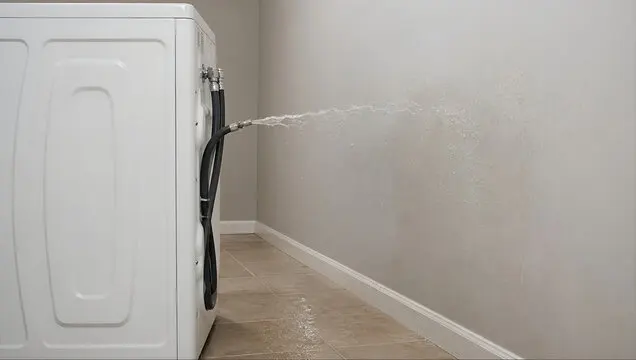 Category 1 to 2Appliance Leak CleanupDrying under cabinets and floating floors after a dishwasher, washer or ice maker supply hose fails.Explore service
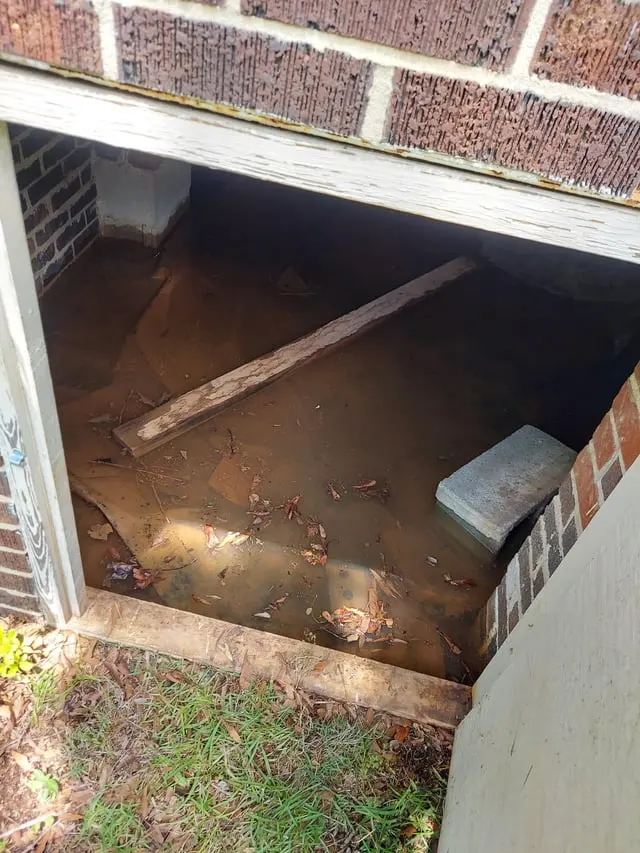 Category 1 to 3Crawl Space Water RemovalPump-out, wet insulation removal and underfloor dehumidification for water that collects beneath a house.Explore service
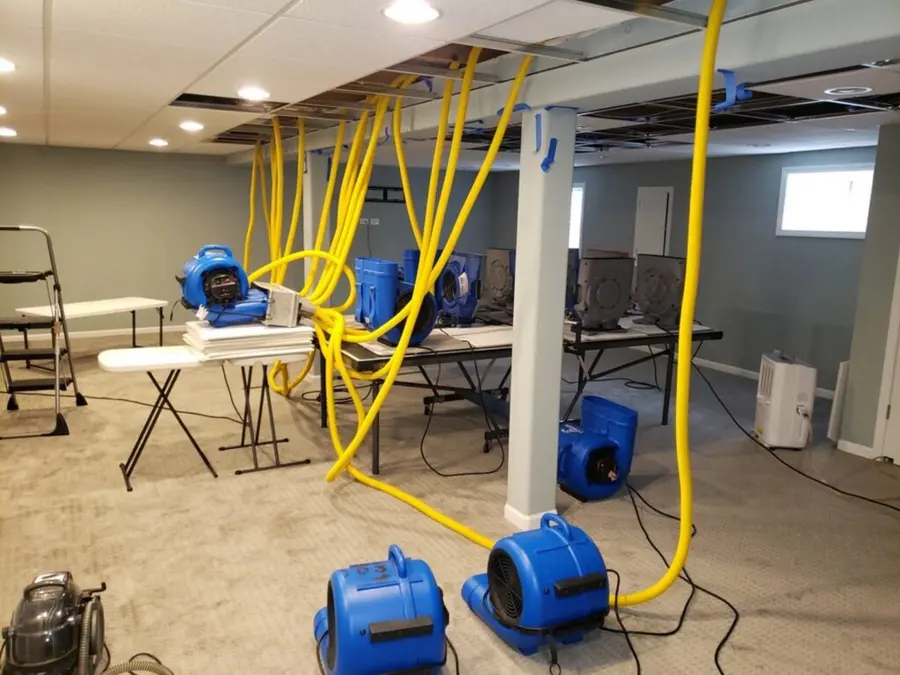 All classesStructural DryingAir movers, LGR dehumidifiers and daily readings that bring wet framing and subfloors back to a dry standard.Explore service
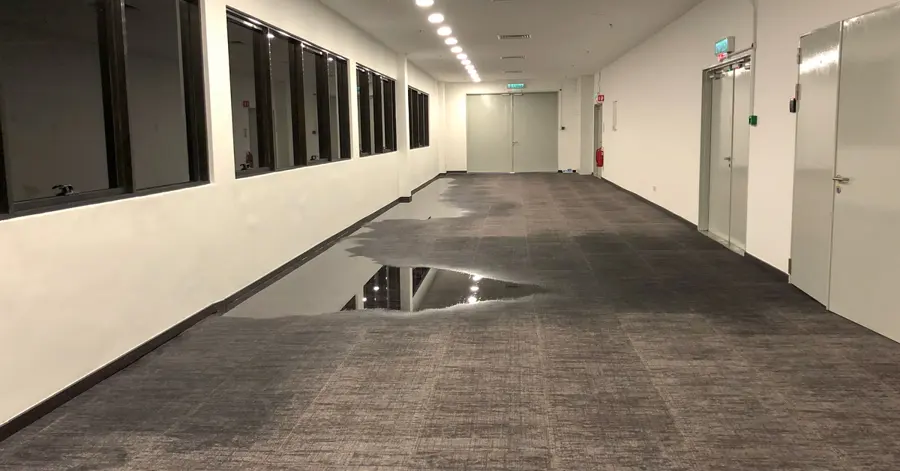 Category 1 to 3Commercial Water DamageAfter-hours extraction and phased drying for shops, restaurants, offices and apartment buildings.Explore service
Four things every water damage job should include
These four habits shape every visit, from the first meter reading to the final claim photographs.
Rapid local response
Day or nightThe crew is reachable at any hour, because a split pipe at midnight soaks a floor just as fast as one at noon.
IICRC S500 drying standard
Readings, not guessesMoisture meters and thermal imaging set the equipment count, and daily readings decide when drying is finished.
Claim-ready documentation
Photos and logsDated photographs, moisture logs and equipment records are saved from the first visit, so an adjuster sees exactly what was wet and what was done.
Local water know-how
Vista specificsCrews know that VID supplies the water, that rain falls mostly from November to April, and that residents maintain their own private sewer laterals.
From the first meter reading to a dry structure
Every job follows the same five stages, so nothing is skipped when a kitchen floor, a bedroom wall or a restaurant ceiling is wet.
- 01
Map the moisture
Meters and a thermal camera trace water past the visible stain, so wet insulation and subfloor are found before any equipment is placed.
- 02
Remove standing water
Pumps and extractors take the bulk of the water first, because every gallon left behind has to be evaporated later.
- 03
Remove what cannot be saved
Soaked pad, baseboard or drywall that cannot dry in place is cut out and bagged, with sewage losses handled under containment.
- 04
Dry the structure fully
Air movers, LGR dehumidifiers and, for dense materials, desiccant units run until the readings match a dry reference.
- 05
Confirm dryness and record
Final readings, photographs and an equipment log close the job and give the insurance file everything it needs.
Standard equipment on every job
- Thermal imaging and moisture meters
- Truck-mounted water extraction
- LGR and desiccant dehumidifiers
- HEPA air scrubbers for sewage
- Dated photos and daily logs
Documentation for your insurance claim
The claim file starts at the first visit and holds dated photographs, moisture readings, a room by room scope and an equipment log, organized so the adjuster can follow the loss from cause to dry result.
Most homeowner policies cover sudden and accidental water, such as a burst pipe or a failed heater, while rising flood water usually needs separate flood coverage. Check your own policy with your insurer.
What does water damage cleanup usually cost?
Most jobs land between $1,500 and $30,000 or more, set by how much water entered, how long it sat and how many materials must be removed, with clean water costing the least and sewage the most.
- Clean water from one fixture
- Extraction plus three to five drying days
- Small removal, daily readings
- Wet carpet pad and baseboards removed
- Wall cavities opened and dried out
- Dehumidifiers running for several days
- Large areas or more than one level
- Contained cleanup with protective gear
- Flooring and drywall removed, extended drying
Run the cost calculator for a rough range, then the drying time estimator to see how long equipment may stay.
Water damage help for Vista homes
Vista has 36,136 homes, and about 39 percent of them were built before 1980, so aging supply pipes, water heaters and drain connections are common trouble spots. The drying crew handles those losses from first pump-out to final reading.
About 30 percent of homes sit in buildings of 5 or more units, so a leak upstairs often becomes a neighbor's ceiling problem, and the crew plans for access, notices and shared walls, with readings kept separately for each unit touched.
Learn more about the crew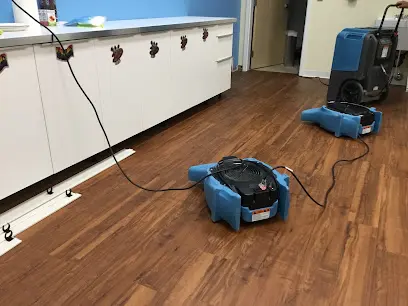
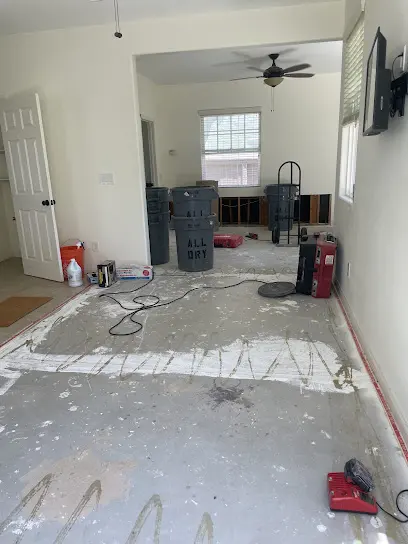
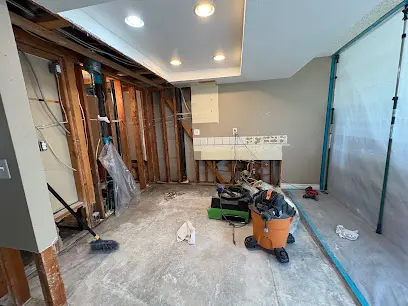
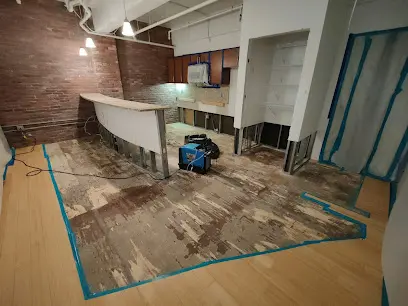
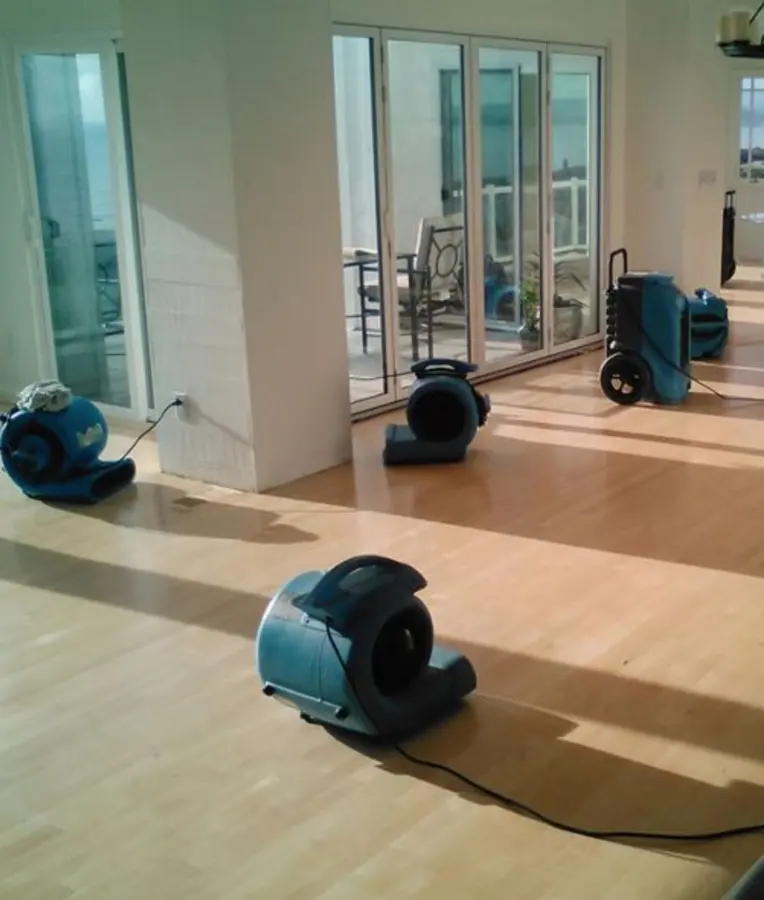
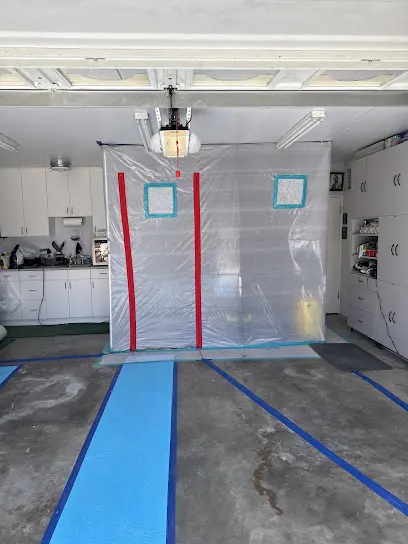
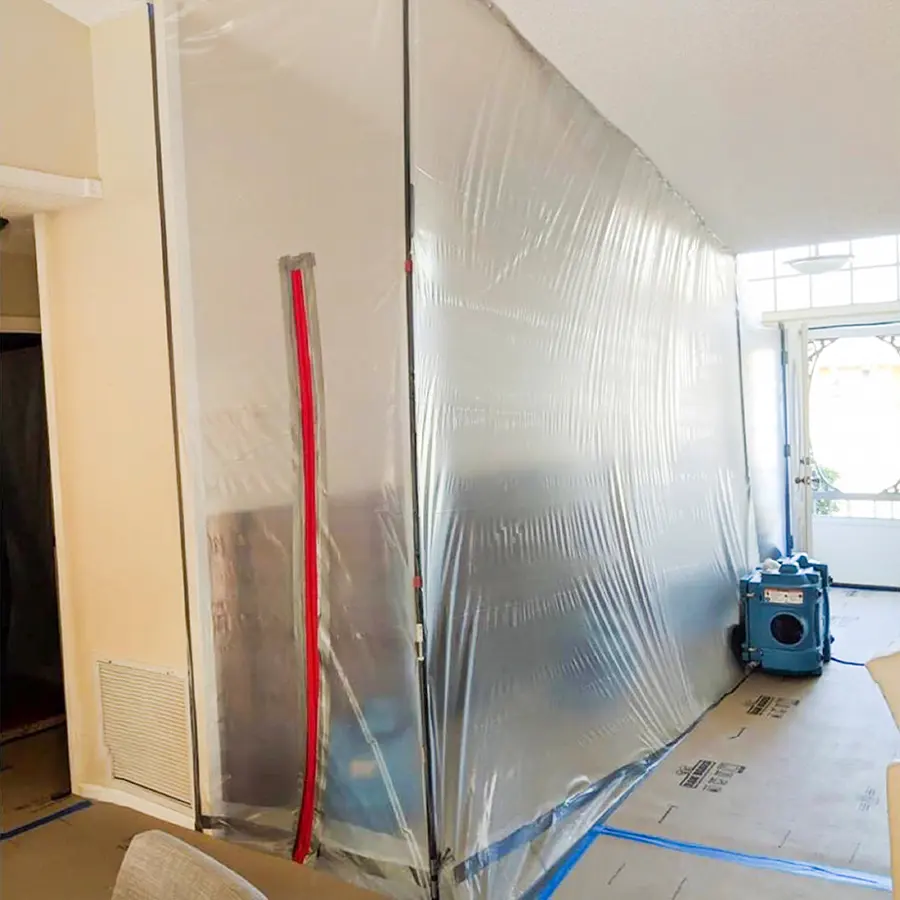
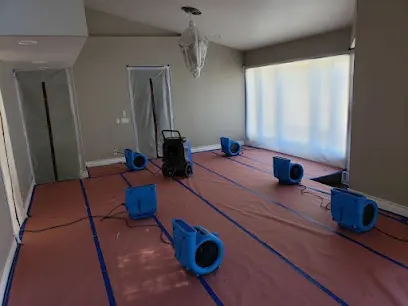
Equipment and containment used on water damage jobs
Three water types, three levels of risk
The category of water sets the protective gear, the materials that can be saved and the way the area is dried.
Clean water
Water from a supply pipe, tank or roof leak starts clean, and early extraction keeps it from picking up contaminants.
Slab leak water damage detailsGray water
Dishwasher, washer and sink overflow water carries soap and food residue, so wet pad and cabinet bases are checked and often removed.
Appliance leak cleanup detailsBlack water
Sewage backups and storm runoff are treated as contaminated, with containment, protective gear, removal of porous materials and antimicrobial cleaning.
Sewage cleanup detailsWhere the crews work in town
The crews reach every ZIP code and neighborhood below, in single-family streets, apartment buildings and commercial parks alike.
ZIP codes served
Vista neighborhoods
Downtown VistaVista VillagePaseo Santa FeTownsiteShadowridgeBuena CreekBrengle TerraceRancho GuajomeAlta VistaVista Business Park
Nearby service areas
One call reaches Vista water damage pros, 24/7
Whether the leak starts at midnight or during a Sunday lunch, one call reaches a drying crew that asks about the source, the rooms and the water, then plans the pumps, dryers and protective gear the job will need.
What local weather and pipes mean for homes
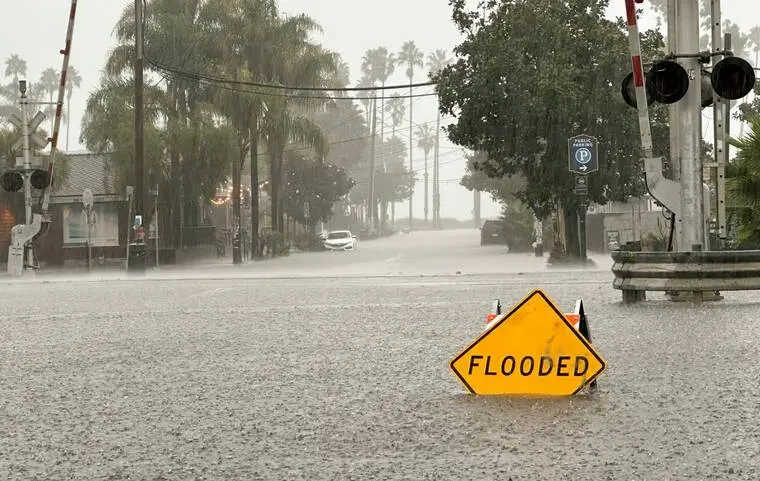
Rain in this area is modest at 13.24 inches a year, but it arrives mostly between November and April, and several storms have flooded roads and ramps.
- Mid-age plumbing: the median home was built in 1984, and the 1980s added 10,182 homes, so valves, heaters and supply fittings are well into their wear years.
- Sewer laterals: under City Ordinance 78, Section 9.10, residents maintain their whole private sewer lateral up to its connection with the public main.
- Heavy winter rain: a volunteer gauge logged 4.45 inches over 3 days ending January 16, 2023, and hail has been reported as recently as March 13, 2025.
- Ramp flooding: on January 22, 2024, the State Route 78 westbound off-ramp at Civic Center Drive held a foot of standing water.
- Water main breaks: a VID main on Buena Creek Road broke in 2014 and put about a foot of water in a rented home.
Questions homeowners ask first
Short answers to what homeowners and property managers ask most before and during a water damage job.
(888) 450-9281Ask a drying crew directlyHow quickly can mold start after a leak?
Mold can begin to grow within 24 to 48 hours on wet drywall, carpet pad and framing, which is why extraction and drying start as early as possible, even before the full scope is settled.
Does homeowners insurance cover water damage from a broken pipe?
Sudden and accidental discharge, such as a split supply pipe or a failed heater, is commonly covered, while gradual seepage and rising flood water often are not. The policy language and the adjuster decide each claim.
What helps most before work begins?
Stop the water at its source, photograph every wet surface, move small items out of the room and keep family and pets away from deep water or sewage. Leave wet drywall and flooring in place so it can be documented.
How long does structural drying take?
Most rooms need three to five days of air movers and dehumidifiers, though hardwood, plaster and thick framing can take longer. Daily meter readings, not the calendar, decide when the equipment comes out.
Who is responsible for a private sewer lateral problem?
Under City Ordinance 78, Section 9.10, residents maintain the entire private sewer lateral and its connection to the public main, and the city's easement access to inspect pipes does not shift that duty.
Is a leaking water heater worth drying out?
A leaking tank can soak flooring, baseboards and the bottoms of walls before anyone notices, so extraction and a moisture check are worth doing even for a small puddle. Mineral scale inside older tanks is a common cause.
Can a leak upstairs damage the unit below?
Yes. In buildings with several units, water follows pipes, joists and drywall seams into the ceiling and walls below, so the crew checks neighboring units and records each one separately for the building's insurer.
What does a storm flood cleanup involve?
Heavy winter rain has flooded roads and ramps here, and water that enters a home is handled as contaminated until proven otherwise. Pumps, debris removal, flood cuts and antimicrobial cleaning come before drying. Sorting salvage from waste early keeps the job and the claim organized.
Do businesses get after hours drying work?
Yes. Commercial work is scheduled around opening hours, with containment between areas, phased drying and written records for each suite so a business can reopen quickly and file a clean claim.
What decides the final bill?
Water category, how long it sat, the number of rooms and the materials that must be removed drive the price. A written scope with photographs lets the homeowner and insurer compare it to the ranges above.
Wet floors or walls need drying now, not later
Call the drying crew, describe what leaked and which rooms are wet, and the extraction plan starts taking shape.