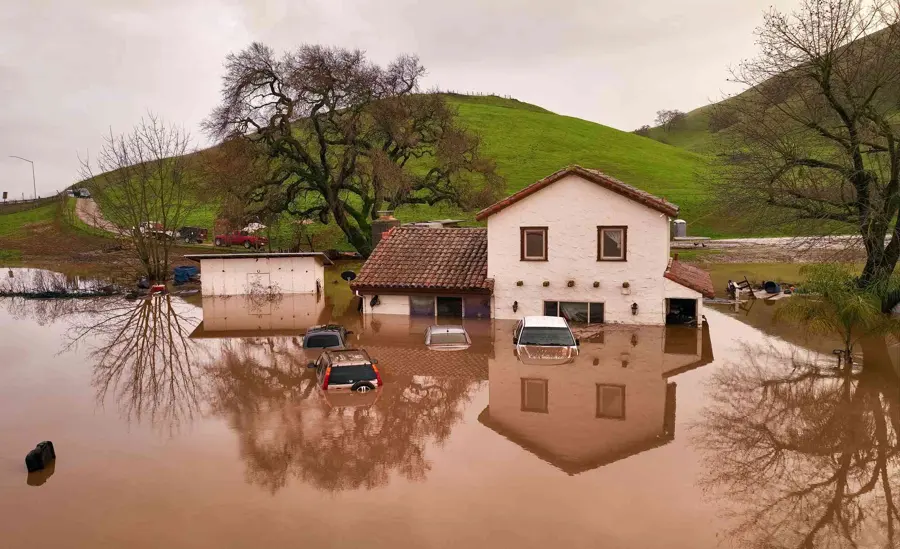
On December 6, 2018, the National Weather Service recorded a foot of water in downtown Oceanside, with multiple cars stalled, after 2.5 inches of rain in 2 hours. It shows how quickly a short, heavy burst can turn a street into a shallow river.
Key takeaways
- Street flooding is fast: 2.5 inches of rain in 2 hours put a foot of water in downtown streets in December 2018.
- The December 2018 record covers a street, so it says nothing about any one building, but it shows how close the water can get.
- Water that comes in from outside is contaminated, so cleanup starts with extraction, then removal and sanitizing before drying.
- Shops need a plan for stock, records and reopening, while homes need a plan for floors, walls and belongings.
- The city has urged residents to check FEMA flood zone status ahead of a potentially very strong El Niño season.
What a foot of street water tells owners
The December 2018 record is specific: a foot of water in the downtown streets, multiple cars stalled, and 2.5 inches of rain in 2 hours.
At the city's airport, 0.50 inch fell in 20 minutes, a 1 in 20 year return interval. That means the burst was heavy but not unheard of, which is the point worth remembering.
What the record does and does not say
The record describes water on a downtown street. It does not say any particular home or shop took water inside.
What it does show is how little time passes between a normal afternoon and a street full of water, and how close that water sits to a door threshold.
Where the city's flood water comes from
The city's floodplain page says it is exposed to two general types of flooding, and it describes riverine flooding as heavy or prolonged rain that generally affects the areas around the San Luis Rey River.
Rivers and creeks
A 2019 floodplain conference presentation on coastal flood projections names the San Luis Rey River, Loma Alta Creek and Buena Vista Creek.
The National Weather Service flood impact statement for the San Luis Rey River says that at a stage of 28.0 feet, excess overflow has damaged some sewer and water mains in the city.
Heavy rain on streets
Flash flooding is different. It comes from rain falling faster than drains can carry it, so streets and low spots fill even when no river is rising.
- Short, intense bursts arrive faster than storm drains can empty.
- Hard surfaces send rain straight to the street instead of soaking in.
- Low spots and underpasses collect water first.
- Warning time is short, so preparation matters more than reaction.
Downtown shops and homes
Downtown has a state designated Cultural District and the Mount Ecclesia historic district, along with the California Surf Museum. MainStreet Oceanside is a nonprofit supporting the downtown business district, and the city's green business listings include shops on Mission Avenue and Oceanside Boulevard.
Ground floor shops and restaurants sit close to the street, so owners have more to protect than floors and walls. Stock, records and equipment are usually the first concern.
- Cash registers, computers and servers kept low or in back rooms.
- Stock stored on floors or on low shelving.
- Paper records and files in lower cabinets.
- Display materials and fixtures that cannot be dried.
The first steps for a home or a shop
Safety comes first, and most of these steps need no tools.
- Stay out of standing water until power to the area has been shut off.
- Switch off the breakers for wet rooms if they can be reached safely.
- Photograph the water level, walls, floors, stock and equipment.
- Lift valuables, papers and electronics out of the water's reach.
- Keep children and pets out of the wet area.
- Avoid wet vacuums and household fans until the area is safe.
How flood cleanup works
Water that comes in from a street or creek is treated as contaminated, so the order of work matters. Storm and flood cleanup starts with extraction, then moves to removal, sanitizing and drying.
Emergency water extraction takes out standing water from floors and carpet before it soaks into walls and cabinets.
For a shop or restaurant
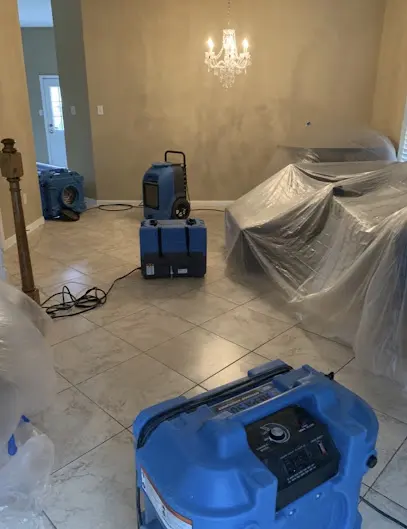
Commercial water damage jobs are staged so a business can reopen in sections where possible. Extraction and removal come first, and drying equipment is placed to keep aisles and entrances usable.
Records and stock are sorted into what can be saved and what must be discarded.
For a home
Carpet and pad that sat in contaminated water usually come out, and the lower few inches of drywall are checked and often cut away. Hard floors and solid furniture can often be cleaned and kept.
- Extraction of standing water first, before it soaks upward.
- Removal of soaked carpet, pad, baseboards and lower drywall.
- Cleaning and sanitizing of every surface the water touched.
- Drying with air movers and dehumidifiers until readings are normal.
What the city says about the coming winter
On August 25, 2026, the city posted news about preparing for a potentially very strong El Niño season, with an Oceanside El Niño Toolkit. It urged residents to check FEMA flood zone status on its floodplain management page.
El Niño winters have a history here. In the El Niño storm episode that began February 23, 1998, 200 people were evacuated from three mobile home parks as Loma Alta Creek ran high.
- Check flood zone status on the city's floodplain management page.
- Find the main water shutoff and the electrical panel.
- Move stock, records and valuables off the floor.
- Photograph each room or shop area before the rains.
Keeping records for the cleanup
Good records make the cleanup and rebuild easier to plan. Photos, notes and readings tell the same story to a landlord, a manager or a repair crew.
For a broader look at storm response, the main storm and flood cleanup service covers the same steps across the area.
- Time stamped photos taken before anything is moved.
- A list of damaged stock, equipment and belongings with rough quantities.
- Moisture readings from each visit during drying.
- Notes on who was told and when, including the building manager or landlord.
Questions
How much water was recorded in downtown Oceanside in December 2018?
The National Weather Service recorded a foot of water in downtown Oceanside on December 6, 2018, with multiple cars stalled, after 2.5 inches of rain in 2 hours.
Does that record mean buildings flooded?
No. The record covers a downtown street. It shows how fast street water can build, which is why owners prepare.
Why is flood water treated differently from a pipe leak?
Water from streets and creeks can carry dirt, bacteria and chemicals, so porous materials are often removed and surfaces are sanitized before drying.
What did the city say about the coming winter?
On August 25, 2026, it posted news about preparing for a potentially very strong El Niño season and urged residents to check FEMA flood zone status on its floodplain management page.
What should a shop owner protect first?
People come first, then power, records and stock. Staying out of standing water until the power is off and photographing the damage before moving anything are the usual first steps.
Can a shop stay open during cleanup?
Sometimes, in sections. Crews stage extraction, removal and drying so that clear areas can reopen while other areas are still being dried.