Appliance Leak Cleanup in San Marcos, CA
Washers, dishwashers and refrigerator supply hoses leak onto floors that hide the damage under cabinets and flooring. The restoration team extracts, lifts what traps water and dries the cavity in San Marcos.
(888) 450-9281Call about the appliance leak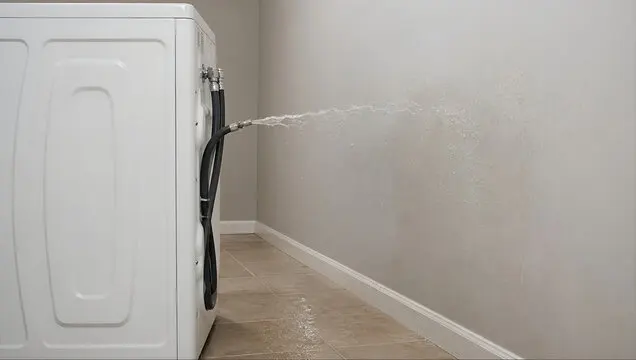
How appliance leak cleanup is handled in San Marcos, CA
- 01
Find the leak path
A thermal camera and moisture meters show how far the water spread beneath cabinets and under the flooring.
- 02
Extract and open up
Surface water is extracted, then toe kicks, baseboards and floating floor sections come up so air can reach the damp areas.
- 03
Inject and dry
Injection drying pushes dry air into cabinet bases and wall cavities, backed by air movers and a dehumidifier.
- 04
Verify and close
Readings in the cabinet bases, subfloor and walls must reach dry reference before the equipment goes.
What does appliance leak cleanup cost in San Marcos, CA?
Appliance leak cleanup typically costs $1,000 to $12,000 or more, set by how long the leak ran, whether it reached cabinets or a second level and how much flooring has to come up.
- Water extracted
- Toe kicks removed
- Short equipment run
- Floor panels lifted
- Injection drying into cabinet bases
- Subfloor readings
- Wet subfloor and ceiling beneath
- Cabinet boxes pulled loose
- Extended drying run
Biggest cost drivers: How long the leak ran, whether cabinets and a second level got wet and the flooring type decide where a job lands. For a closer planning number, run the water damage cost calculator. Every figure here is a typical range, not a quote.
First steps for appliance leak cleanup in San Marcos
- 1
Shut the valve. Close the supply valve or the main, then unplug the unit once the area around it is dry.
- 2
Pull it out. Slide the appliance out only if it is safe, so the wet floor can be photographed.
- 3
Mop the surface. Towels handle surface water, but cabinet bases and flooring need real equipment.
- 4
Call for drying. Call the restoration team and tell the insurer, since slow leaks can be treated differently.
Appliance leaks are slow thieves. A cracked hose behind a washer or a worn dishwasher seal can keep wetting a subfloor for weeks, and the first sign is often a spongy floor or a stale odor, by which time the cabinet bases are usually wet too.
No local pattern, just a common one
Nothing local singles out appliances as a bigger risk in San Marcos than elsewhere. The 2010 Census counted 28,641 housing units in the city, with 62.8 percent of occupied homes owner-occupied, so the loss pattern is the general one: a hose, a pan or a seal fails and the water goes wherever it can.
Gray water and what it means
Dishwasher and washing machine water carries soap, food and lint, which makes it gray water. Porous materials that stayed wet with it, such as carpet pad, are removed rather than dried. The drying that follows is covered under structural drying.
Where the water hides
- Under cabinet bases and toe kicks
- Beneath floating floors that look dry on top
- Inside the wall behind the appliance
- In the subfloor and the ceiling of the room below
Check the hose first
Braided supply hoses and ice maker supply tubing wear out, and shutting the appliance's valve stops most leaks at once. Anyone with a wet floor beside an appliance should shut the valve, unplug the unit and photograph it. A leaking tank is a different job, described under water heater leak cleanup.
Water under the washer again?
(888) 450-9281San Marcos water removal, day or nightRelated water damage services in San Marcos
Appliance Leak Cleanup across San Marcos
Appliance leak calls come from kitchens and laundry rooms across the city, including San Elijo Hills, Lake San Marcos, North City, the University District and Discovery Village, in ZIP codes 92069, 92078 and 92096.
The same service nearby: appliance leak cleanup in Encinitas, Vista, Carlsbad.
Appliance Leak Cleanup questions in San Marcos, CA
Short, specific answers about appliance leak cleanup for San Marcos homes and businesses.
(888) 450-9281Still wet in San Marcos? Call nowWhich appliance leaks are most common?
Washing machine supply hoses, dishwasher seals and refrigerator ice maker tubing top the usual list. That is general experience, not local data.
Does insurance cover a slow appliance leak?
Sudden failures are usually covered, but long-running seepage may be excluded as a maintenance issue. Read your own policy and report the leak as soon as it is found.
Can a floating floor be saved?
Sometimes. Panels are lifted, the subfloor is dried and clean panels may go back, but swollen or warped planks are replaced, and water trapped under them makes quick action important.
Why remove the toe kicks?
They block airflow into the cabinet base, where water collects and dries slowest. Removing them is a small cut that lets injection drying and air movers reach the wet space.
Is dishwasher water contaminated?
It counts as gray water because of the soap and food it carries, so porous materials that stayed wet with it are removed. A clean supply hose leak is treated more gently.
Should the appliance be moved?
Only when it is safe. Slide it clear of the wet area, keep the supply valve closed and let the crew handle heavy units, especially if the floor is soft.
Find it, dry it, close it out
Appliance water hides under cabinets and flooring. The restoration team extracts, opens access points and dries the hidden spots to standard.