Structural Drying in Carlsbad, CA
After the water is out, the building still holds moisture in framing, subfloors and walls. The crew sets air movers and dehumidifiers, takes readings daily and removes equipment only when the structure reaches a dry reading.
(888) 450-9281Schedule structural drying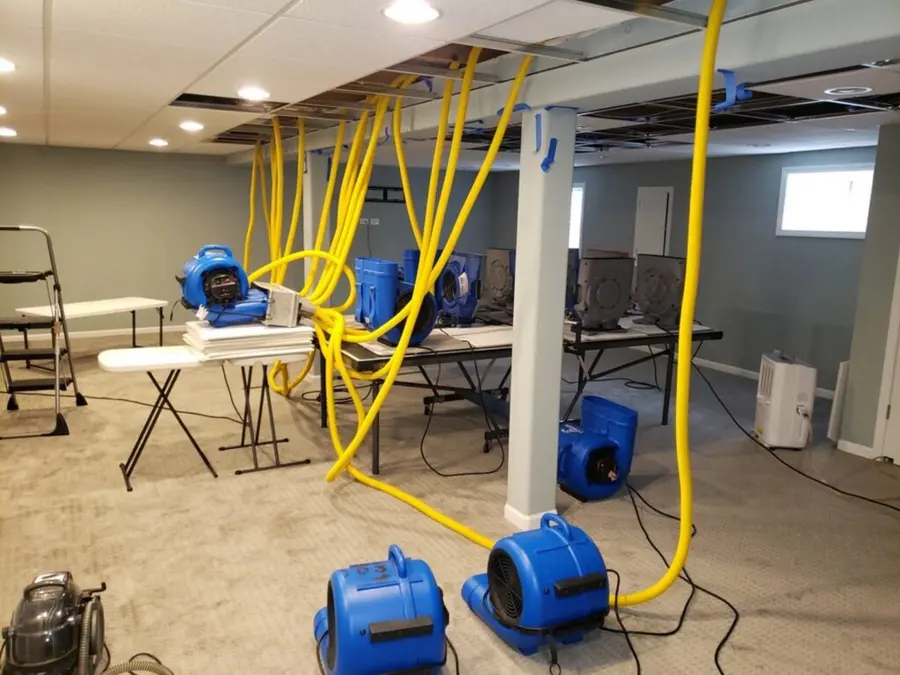
How structural drying is handled in Carlsbad, CA
- 01
Map the moisture
A meter and thermal camera chart the wet areas, and the class of loss is set before any equipment goes in.
- 02
Place the equipment
Air movers, dehumidifiers and injection systems are matched to the materials and the size of the wet zone.
- 03
Read and adjust
Daily readings steer equipment moves until the wet areas catch up with the unaffected reference points.
- 04
Verify and remove
Equipment comes out only after every monitored point reaches its dry standard, and the log is closed.
What does structural drying cost in Carlsbad, CA?
Structural drying generally costs from about $1,000 for one or two rooms to $15,000 or more for a Class 4 loss or a whole level, with equipment and monitoring days as the main drivers.
- Air movers and an LGR unit
- A few days of drying
- Daily readings
- Injection drying on floors
- Several dehumidifiers
- Cavity drying
- Desiccant dehumidification
- Slab and plaster drying
- Extended monitoring
Biggest cost drivers: Affected materials, the number of rooms and how many days of readings the structure needs set the price, with dense materials adding the most. For a closer planning number, run the water damage cost calculator. Every figure here is a typical range, not a quote.
First steps for structural drying in Carlsbad
- 1
Keep doors closed. Closed rooms let dehumidifiers work better than open windows.
- 2
Leave the equipment on. Do not unplug or move air movers, and expect the setup to run continuously.
- 3
Keep notes. Write down when equipment started and any changes you notice.
- 4
Expect daily visits. The crew takes readings and adjusts equipment each day.
Drying is not guesswork and not a set number of days. The standard is the readings of the wet materials compared with unaffected ones, and the equipment stays until they match.
Why the coast is a different drying setting
Carlsbad has a cool semi-arid climate with about 263 sunny days a year, and summer brings overcast skies and fog off the Pacific. That moist coastal air does not carry water out of a wet building quickly, which is why dehumidifiers do most of the work and open windows do very little.
The classes of loss
- Class 1: little water, low absorption
- Class 2: carpet, pad and wall bottoms
- Class 3: ceilings and walls wet from above
- Class 4: dense materials such as slab and plaster
Equipment that matches the material
Air movers sweep wet surfaces, low grain dehumidifiers remove the vapor, and injection systems dry floors and wall cavities in place. Desiccant units help with the densest materials. Daily visits adjust the setup, and the drying time estimator shows typical ranges.
What the daily visits involve
Each visit repeats the readings at the same marked points, so the trend is clear. Equipment is moved, added or removed based on those numbers, and a dry area stops running while wet ones catch up.
Verifying the finish
A job ends on readings, not on time. The final log and photos support the insurer, and the nearby water extraction page covers what comes first.
Wet walls or floors left behind?
(888) 450-9281Carlsbad water removal, day or nightRelated water damage services in Carlsbad
Structural Drying across Carlsbad
Structural drying follows any large loss in all four ZIP codes, from older homes in the north to newer master planned communities such as Bressi Ranch in the south, and from single homes to apartment buildings.
The same service nearby: structural drying in Encinitas, Vista, San Marcos.
Structural Drying questions in Carlsbad, CA
Short, specific answers about structural drying for Carlsbad homes and businesses.
(888) 450-9281Still wet in Carlsbad? Call nowHow long does drying take?
It depends on materials and the size of the loss, so the crew follows daily readings instead of a fixed schedule.
Why do the machines run so long?
Wood, concrete and plaster release moisture slowly, and stopping early can leave damp framing behind.
Can I open the windows instead?
On a foggy coast, no. Dehumidifiers dry faster than outdoor air that already carries moisture.
Is the noise normal?
Yes. Air movers and dehumidifiers are loud, which is why the setup is kept as small as the readings allow.
How do I know the building is dry?
The final readings match unaffected materials, and the log shows each day's numbers.
Does drying work for hardwood?
Often, using mats and injection, though cupped boards sometimes need replacement.
Why does drying sometimes continue after the water is gone?
Water that soaks into wood, plaster or concrete moves out slowly. The surface can feel dry while the framing still reads wet, so the readings decide, not the touch.
What happens if drying stops too early?
Damp framing can stay behind walls and under floors, which invites mold and warps new flooring. Finishing on a verified reading protects the repairs.
Bring the structure back to dry
Drying is done when the readings say so, and the file proves it to you and to your insurer.