Structural Drying in Vista, CA
After the water is gone, framing, subfloors, plaster and concrete still hold moisture, so the drying team sets air movers and dehumidifiers by the numbers and checks readings daily until every surface returns to dry.
(888) 450-9281Call about wet walls and floors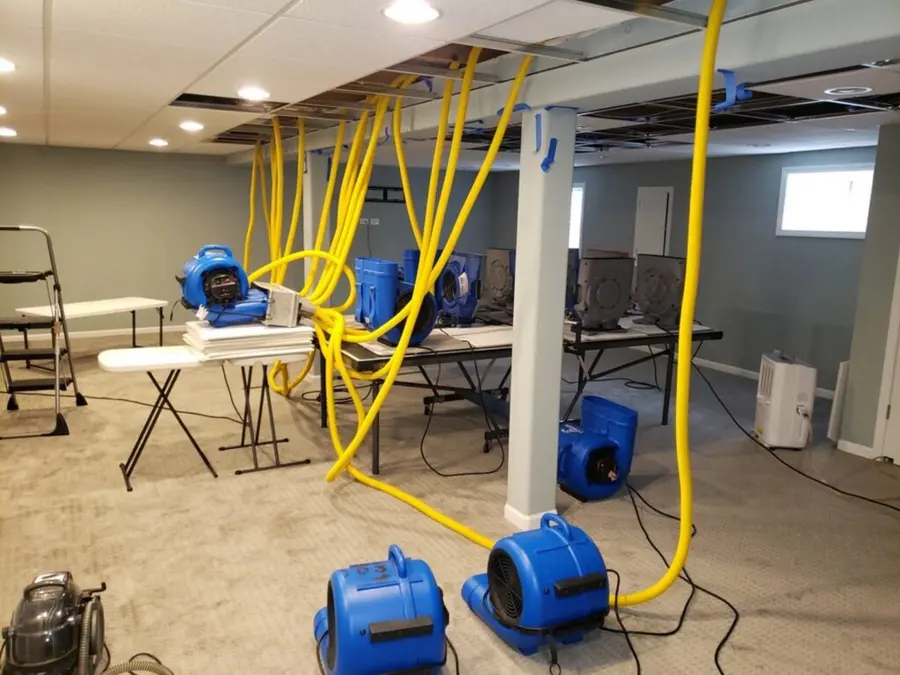
How structural drying is handled in Vista, CA
- 01
Measure and classify
Meters and a thermal camera map wet materials, the class of loss is set and a target reading is taken from dry material of the same type.
- 02
Place the equipment
Air movers, LGR dehumidifiers and, where needed, desiccant units or floor mats are positioned according to the room volume and wet area.
- 03
Monitor every day
Readings are logged daily, equipment is moved toward the slowest areas and any cavities that stay wet are opened.
- 04
Confirm and remove
Equipment comes out once readings match the dry reference, and the log becomes part of the claim record.
What does structural drying cost in Vista, CA?
Structural drying runs about $1,000 to $2,500 for one or two rooms, $2,500 to $6,000 for several rooms or hardwood, and $6,000 to $15,000 or more for Class 4 losses or a whole level.
- Air movers with one LGR unit
- Short drying run
- Daily meter checks
- Floor injection drying
- Multiple dehumidifiers
- Wall cavity drying
- Desiccant dehumidification
- Slab and plaster drying
- Extended monitoring
Biggest cost drivers: The number of rooms, the materials involved, the class of loss and how many days the equipment has to run decide the tier. For a closer planning number, run the water damage cost calculator. Every figure here is a typical range, not a quote.
First steps for structural drying in Vista
- 1
Stop adding water. Fix the source, remove standing water and keep off wet carpet.
- 2
Leave equipment running. Air movers and dehumidifiers should stay on, with windows and doors closed.
- 3
Keep the room warm. Warm air dries faster, so leave the thermostat alone while the equipment runs.
- 4
Expect daily visits. The drying team returns to read meters and adjust equipment daily.
Drying is a measured process, not a matter of running fans until a room feels dry. Even in a semi-arid climate with 13.24 inches of rain a year, wet framing and subfloors hold moisture that only controlled equipment removes.
The science behind the equipment
Air movers pass dry air over wet surfaces, and dehumidifiers pull the evaporated water out of the air so it cannot settle somewhere else. Low grain refrigerant units handle most rooms, while desiccant units work better in cool spaces or on dense materials that dry slowly.
- Air movers on wet walls and floors
- LGR dehumidifiers for most rooms
- Desiccant units for cool or dense areas
- Thermal camera and moisture meters
Classes of water damage
The class of loss sets the equipment plan. Class 1 involves little absorption, Class 2 wet carpet and wall bottoms, Class 3 water from above that soaked ceilings and walls, and Class 4 deeply held water in materials such as hardwood, plaster and concrete.
Daily checks decide the finish
The drying team records temperature, humidity and moisture readings every day and moves equipment as areas dry. Equipment comes out only when wet materials read the same as a dry reference of the same type, not on a fixed calendar.
Drying after different losses
Structural drying follows water extraction, burst pipe cleanup and flood cleanup in nearly every job, because removing standing water is only the first half of the work. Hardwood floors and plaster walls dry slowest and may need injection drying or mats.
Dry framing keeps the repair sound
(888) 450-9281Vista water removal, day or nightRelated water damage services in Vista
Structural Drying across Vista
Structural drying runs in homes, apartments and shops of every age across all four ZIP codes, including Downtown Vista, Townsite, Shadowridge, Buena Creek and Brengle Terrace, and in the commercial buildings of Vista Business Park.
The same service nearby: structural drying in Encinitas, Oceanside, Carlsbad.
Structural Drying questions in Vista, CA
Short, specific answers about structural drying for Vista homes and businesses.
(888) 450-9281Still wet in Vista? Call nowHow long does structural drying take?
Most rooms take three to five days, but hardwood, plaster, concrete and thick framing can run longer. Readings against a dry reference decide the end date, so the calendar is only an estimate.
Why do the machines run so warm and loud?
Dehumidifiers work by condensing water out of the air, which gives off warmth and noise. A warm, closed room dries faster, so the heat is part of the process and not a sign of trouble.
Can wet drywall be dried instead of replaced?
Sometimes. Clean water caught early often dries in place, while drywall that is swollen, crumbling or contaminated is cut out. A meter and a thermal camera show which sections qualify.
Does insurance pay for drying equipment?
Equipment time is normally part of a covered water loss, and the daily log is the evidence. The adjuster compares the log with the readings, so the records matter as much as the equipment.
What happens if drying stops too early?
Wet framing left behind can warp, stain and support mold within 24 to 48 hours of staying damp, and flooring installed over it may cup. That is why final readings are taken before anything is closed up.
Wet walls and floors need measured drying
Say what was wet, how long it sat and which materials are involved, and the drying team can set equipment and a monitoring plan to match.